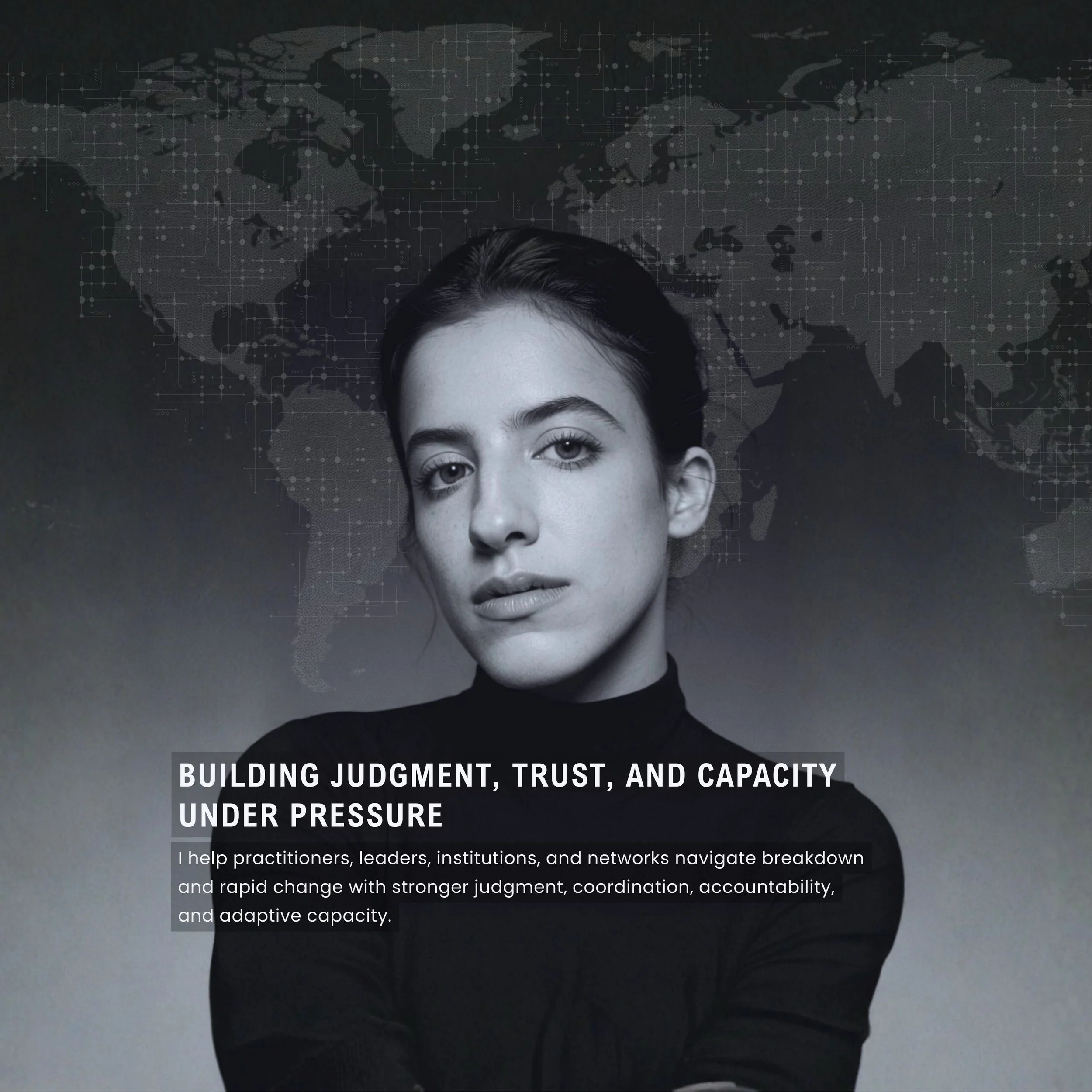
Specialties: Information resilience • online harms and radicalization • media and narrative systems • digital evidence and accountability • emerging tech and AI governance
Architecting trust, integrity, and coordinated action for an era of crisis, transition, and structural change.
WHAT I DO
I provide advisory, analysis, strategy, and applied support for organizations, and communities of practice working where information, technology, and public consequence collide. My work helps clients assess risk, improve judgment, strengthen coordination, and build practical systems that hold up under pressure.
Advisory & Strategic Analysis
Information Integrity, Online Harms & Radicalization
Support on extremist ecosystems, TVEC, manipulation, platformed harms, narrative dynamics, and public-interest response.
Analysis and advisory on information environments, media systems, institutional and community risk, governance shifts, and emerging threats.
Emerging Tech, AI & Responsible Adoption
Digital Evidence, Investigations & Accountability
Advisory on how to assess, govern, and integrate AI and other emerging technologies without undermining ethics, safety, or operational credibility.
Guidance on documentation, verification, open-source and audiovisual evidence, investigative practice, and accountability-oriented workflows.
The systems surrounding public-interest work are being reshaped in real time—by political pressure, technological disruption, institutional strain, and contested information. I work at that intersection: helping practitioners, organizations, and networks make sense of the shift, strengthen how they operate, and build the capacities this moment now demands.
WHY THIS
WORK
and moment
matters
We are not living through ordinary disruption, but a structural transition where the systems that once anchored governance, justice, and information integrity are losing their coherence and legitimacy. Across public-interest, regulatory, and knowledge-producing fields—including media and journalism—many institutions are still operating with legacy models and habits that are long past their functional life. Rather than evolving to protect public purpose, too many sectors have narrowed toward risk containment and bureaucratic expansion, failing to build the resilience and judgment this moment demands.
As the old rules-based order weakens, the resulting vacuum is being filled by disinformation, automated surveillance, and a culture of impunity at scale. In the media landscape, the rise of "synthetic slop" and algorithmic gatekeepers has made it nearly impossible for audiences to distinguish truth from fabrication.
This is not a task for technology alone. While advanced tools can leverage and support this transition, they cannot succeed without human intervention and a new collaborative workforce. We are facing a new operational reality that requires us to develop new skills—shifting from passive consumers of technology to active architects of its impact. By coupling technical power with human responsibility, we can reclaim our agency and shape the structural shifts that will dictate the future of our practice.
My work focuses on bridging this gap—moving beyond outdated assumptions to help practitioners, institutions, civil society and grassroots movements adapt their practices, build new capacity, and protect the fundamental human rights and public interests that technology alone cannot secure.
Pressure reveals what flaws in the architecture.
The next era will belong to those who can adapt, coordinate, and rebuild.

THE WORK
Architecting operational integrity
I help institutions, practitioners, and grassroots networks build the judgment, capacity, and coordination needed to operate effectively, safely, and credibly under pressure. This work centers real-world practice and community-grounded, adaptive infrastructure over optics or institutional self-preservation.
Drawing on more than 15 years across governance, media, human rights, justice, and technology, I work across civil society, institutions, and frontline contexts where decisions carry legal, political, and human consequence. My focus is on helping build the next generation of operational capacities, structures, and leadership models needed to function in increasingly unpredictable, volatile environments.
This requires more than better tools. It requires rethinking the systems, workflows, processes, and decision environments that shape how people respond, act with integrity, remain accountable, and sustain resilience under pressure. It also requires changing who participates in analysis, design, implementation, and decision-making. Too many dominant systems and frameworks remain shaped by Global North assumptions, institutions, and power centers, even as those models reveal their own limits, contradictions, and fragilities.
More resilient and effective practice depends on broader leadership, deeper regional and contextual knowledge, and greater inclusion of the practitioners and communities that have long been forced to operate ahead of these shifts. It also requires the careful, paced, and well-governed integration of emerging technologies, including generative AI, as tools to strengthen human work, expand participation, and improve quality, coordination, and long-term capacity—not replace the workforce or narrow who gets to take part.
The task is not only to adapt for the present, but to build for those who come after us. The strategies, systems, and infrastructures we create now must leave behind a more resilient, inclusive, and capable field—one that confronts structural failures honestly, accepts necessary tradeoffs, and prioritizes long-term collective strength over short-term institutional comfort.
Below are the core areas of practice I use to help organizations, practitioners, and networks move beyond brittle legacy habits toward more resilient, credible, and adaptive ways of working.
Strategy, Foresight & Systems Analysis
Strategic analysis and advisory for navigating shifts in power, governance, information environments, and institutional risk.
Information Integrity, Digital Evidence & Investigative Practice
Strengthening how organizations document, verify, interpret, and use audiovisual, digital, and open-source material for reporting, advocacy, and accountability.
Operational Capacity, Training & Applied Implementation
Building the workflows, protocols, coordination models, and practical capacity teams need to operate effectively under pressure.
Human-Centered Innovation, AI Integration & Responsible Technology
Designing ethical, context-aware, security-conscious approaches to AI, emerging technology, and human-led innovation in public-interest work.
-
Algorithmic Accountability Frameworks: Developing "Human-in-the-Loop" architectures that ensure AI supports, but never replaces, the final authority of human decision-makers.
Governance & Escalation Logic: Designing clear institutional incentives and binding frameworks that define when a decision must be elevated from automated triage to expert human review.
Ethical Hybrid Systems: Implementing techno-ethical principles to structure how public administrators and journalists act as moral agents when using opaque technologies
Training and Capacity: design and implement capacity building for international staff. and external collaborators so they are supported and equipped to practice, with emergin tech as a tool not as a replacement.
-
Cross Regional Interdisciplinary / cross sector communtities of practice:
Provenance-Tracking Deployment: Integrating metadata standards into field documentation to distinguish human-witnessed evidence from manipulated assets in real-time.
Diversified Human and Multi-Agent Coordination: Transitioning from isolated global north and techcinal centric experts, tools, and workflows, to more diverse and depth of globally relvent real world tehcnical and conetxual expertise; integrated human dominant and AI agent supported architectures that handle repetitive data extraction while humans focus on high-value field interpretation.
Communities of practice:
Resilient Training Modules: Moving workforce literacy beyond "how to use tools" toward "assurance literacy"—training practitioners to critically evaluate AI outputs for accuracy and bias.
-
Risk-Based Tiering: Evolving risk models to move beyond brittle checklists toward dynamic, multi-stakeholder, real world scenario-based policies that anticipate how power and accelerated tech fragments across digital and physical landscapes.
Divserification of funding:
Building cross organizational protection gaurdrails and protocols when/ if crises or policy shifts impact resources and threaten sustainability (work an dworkforce)
Epistemic Integrity Audits: Assessing how how both your human and AI infrastructure mediates your information flow, scope and depth of contextual knowledge, growing biases and narrowing global framing; and developing strategies to preserve the "human voice" and capability against the tide of synthetic content, and pressures towards the rapid and premature adoption of AI and other emerging technologies and new media.
Collaborative Investigation Design: Mapping cross-border threats and opportunities to build work plans, collaborative strategies that center impacted communities, and human right approaches; and anticipate information trends, harmful narratives before they spread across regional and global contexts.
-
Human-Centric Digital Governance: Anchoring digital transformation in inclusion and the public interest by connecting global policy discussions with frontline lived experience, and expertise from the communities most impacted and who have most at stake.
Open-Source Formalization: Human-Centric Digital Governance: Anchoring digital transformation in inclusion and the public interest by connecting global policy discussions with frontline lived experience, and expertise from the communities most impacted and who have most at stake.
Community-Centered Open-Source Investigative Practice: strengthening the rigor, safety, and legitimacy of open-source investigative practice without turning it into a gatekept, extractive, or decontextualized field.
Public Participation Models: Prioritizing participatory review boards and citizen dashboards to ensure institutional decisions remain subservient to democratic norms.
Public Participation and Community Leadershipp and Decision Making Power Models: Prioritizing participatory review boards and citizen dashboards to ensure institutional decisions remain subservient to democratic norms, and is led rather than “informed” by communities it involves.
Areas of EXPERTISE
I work at the intersection of governance, media, justice, and technology, with more than 15 years of experience across MENA/SWANA, the United States, and Western institutional contexts. My background combines regional expertise, strategic analysis, field practice, and senior leadership across complex, high-pressure, and rapidly shifting environments. I help institutions, practitioners, and networks connect frontline realities to stronger strategy, coordination, accountability, and long-range adaptation. Services are available in Arabic and English.
Regional context and dynamics
Geopolitical, political systems, and regulatory analysis
Services available in Arabic and English

Direct field and frontline practice
Senior leadership across teams and organizations
Crisis response, training, and capacity building
Cross-sector strategy and implementation
Monitoring and evaluation
Media, journalism, and information ecosystems
Documentation, investigations, and accountability
Digital evidence and audiovisual methods
Emerging technology, and Generative AI
Safety and ethics
WHERE THIS WORK OPERATES
I work at the intersection of information, technology, and governance—where institutional legacy models are failing, and where resilient, human-centered systems are most urgently needed.

Information INTEGRITY EMERGING TECH & GEN AI
GOVERNANCE, JUSTICE & Accountability

COMMUNITIES & PUBLIC INTEReST NETWORKS
Experience across governance, justice, media, technology, and community-based contexts—often where decisions carry real human consequencesWHAT I BUILD
I build the infrastructure that helps institutions and practitioners operate with greater trust, clarity, and resilience under pressure. The focus is practical: stronger decision pathways, more adaptive workflows, better coordination, and clearer accountability in fast-changing environments.

Institutional infrastructure
(where decisions are made and checked)
I help architect governance and accountability frameworks that allow leadership to navigate “algorithmic administration." This includes designing escalation logic and ethical guardrails that ensure human judgment remains the final, accountable "kill-switch" for all automated systems.
OPERATIONAL infrastructure
(where responsibility is carried and implemented)
I help develop workflows and the necessary knowledge, skills and tools required for high-stakes field work. From secure digital chains of custody for investigators to "assurance literacy" training for newsrooms, I ensure capacity to produce credible, forensic-grade results under pressure.

CIVIC & CULTURAL INFRASTRUCTURE
(where consequences are lived)
I foster shared language, networks, and communities of practice that connect institutional power to the people it serves. By building participatory review models and resilient community-led dashboards, I help ensure that the future of our institutions is anchored in public trust and collective agency.
Add animated auto scroll of icons / logos of orgs I have worked with / collaborated iwth
Practice — not theory — is what holds under pressure.
This moment demands new and adaptive infrastructure.

Different roles face different pressures.
The work is tailored to the realities of each operating environment.
WHO THIS IS FOR
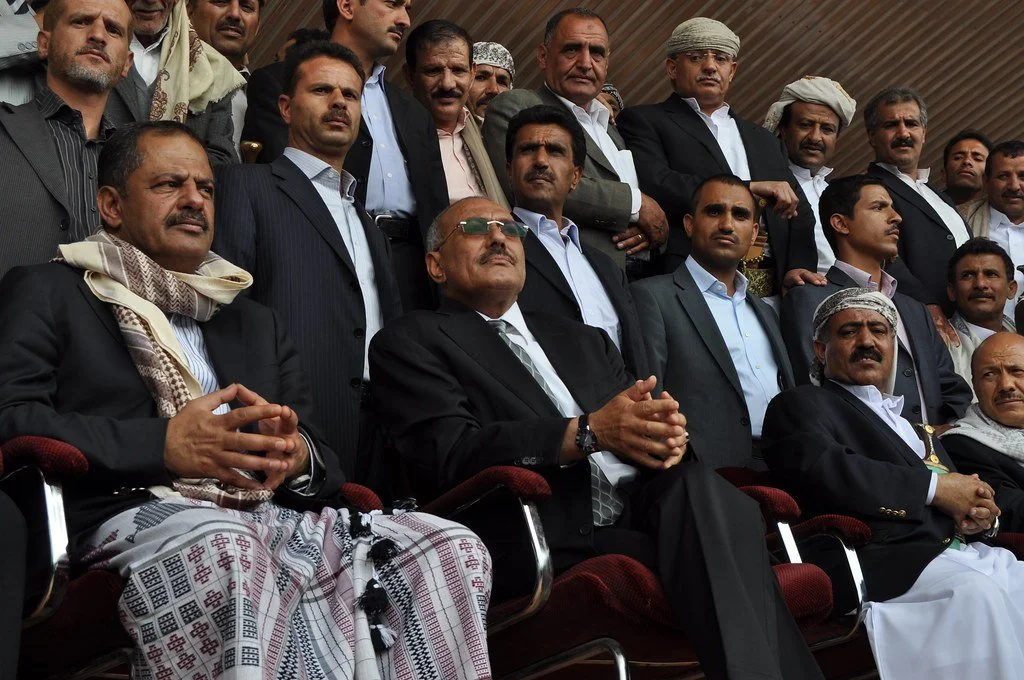
This work is for institutions, practitioners, and networks operating where pressure is high, responsibility is heavy, and existing systems are no longer enough.
-
(where power is practiced and decided)
Leaders and decision-makers inside government, media, technology, philanthropy, multilateral bodies, NGOs, and other governance institutions whose choices shape policy, information flows, funding, infrastructure, and public outcomes.
People responsible not just for vision, but for allocating resources, setting standards, managing risk, and stabilizing institutions as they adapt to change.
You are caught in a cycle of reactive thinking. When self-preservation overrides the mission, you become a witness to erosion rather than an architect of progress.
The Challenge: Breaking free from rigid bureaucracies that overproduce hierarchy but under-deliver on impact. Avoiding the trap of "tech-dependency" and "lazy" capital that funds symptoms rather than systemic shifts.
The Shift: Moving from "patching old structures" to building antifragile systems that function under extreme pressure. Investing in functional integrity and preparing the next generation to inherit—and lead—a more restrictive, volatile world.
-
(where power is executed, constrained, and held accountable)
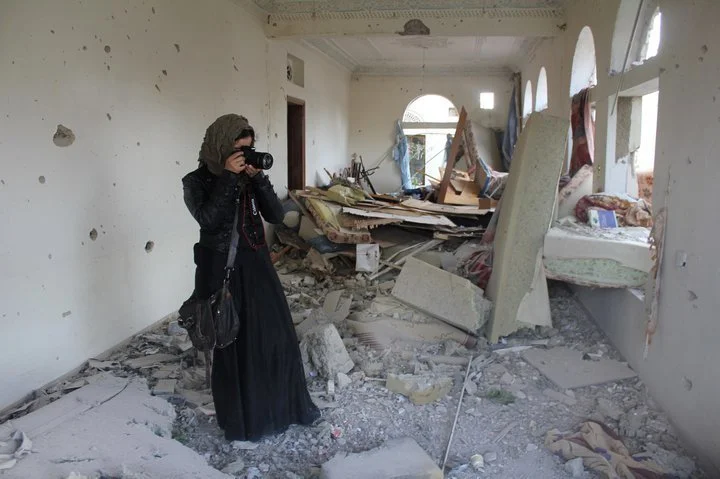
Human rights defenders, investigators, legal actors, technologists, journalists, academia, and other practitioners responsible for carrying out the work within existing systems and legacy models.
They are responsible for making institutions function in real-world conditions, enforcing standards, identifying harm, correcting failure, and preventing abuse or exploitation when systems go wrong.
Often, they do this under pressure, with limited authority, constrained resources, and rules they don’t always get to shape.
The Challenge: Overcoming the stagnation and insularity caused legacy models and mindsets, and the mental exhaustion and disillusionment of working within failing frameworks. Resisting the retreat into "ivory tower" survivalism.
The Shift: Developing personal resilient agency, and cross-sector fluency to lead and operate where institutions have retreated. Restoring depth and technical literacy to provide the clarity the public actually needs to survive.
-
(where consequences are lived)
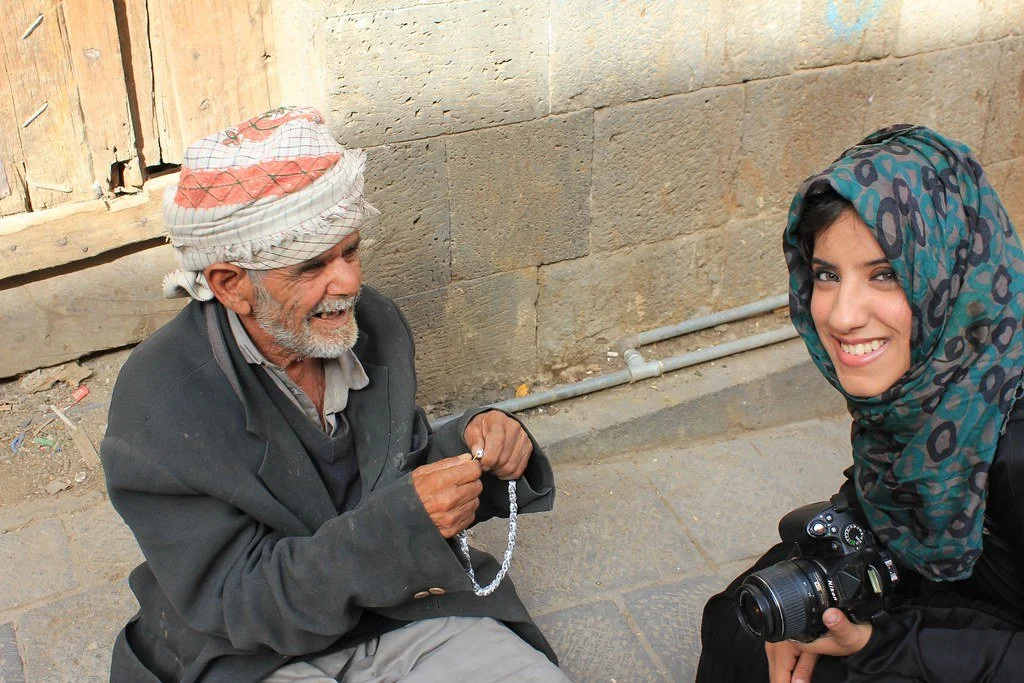
Diaspora networks, identity communities, and engaged publics seeking literacy about power, systems, and social change.
People directly affected by institutional decisions who refuse to remain passive recipients of outcomes.
They organize, question, participate, and shape the conditions that shape them.
The path forward isn't about repair—it’s about readiness. Explore the solutions and services designed to help you survive the shift and prepare the next generation.
-
(where new system practices are emerging)
Cross-sector networks developing new methods, shared standards, and collaborative ecosystems beyond traditional institutional lanes.
Practitioners and operators who have confronted system failures firsthand and pushed to correct them, often facing resistance when advancing accountability or reform.
They are the fixers and builders, experimenting across boundaries, leveraging ethical emerging technologies, and creating alternatives when conventional pathways stall.
Working at the edges and on the frontlines, they don’t just critique what’s broken. They design what comes next, including the next generation preparing to build and steward future systems.
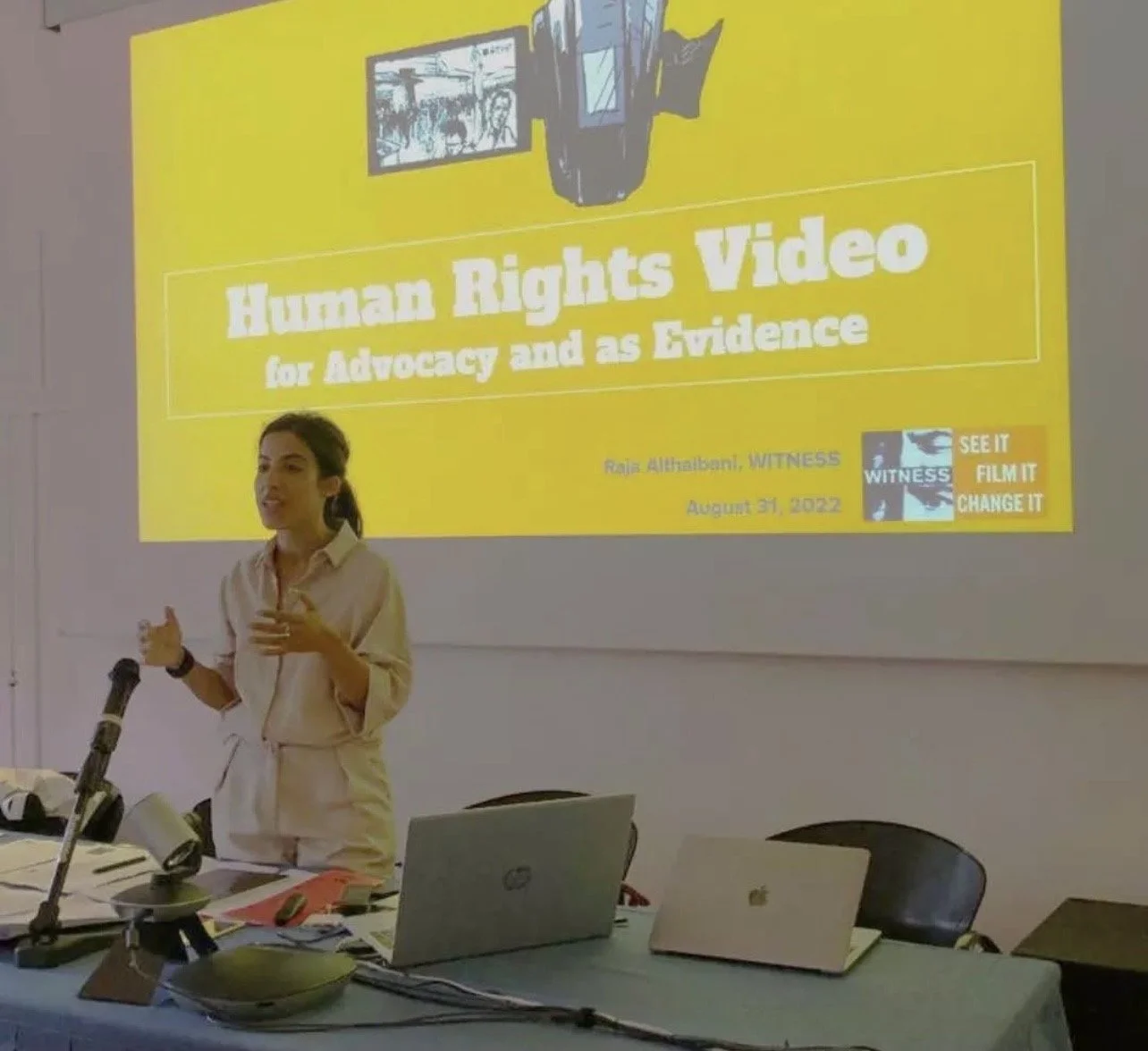
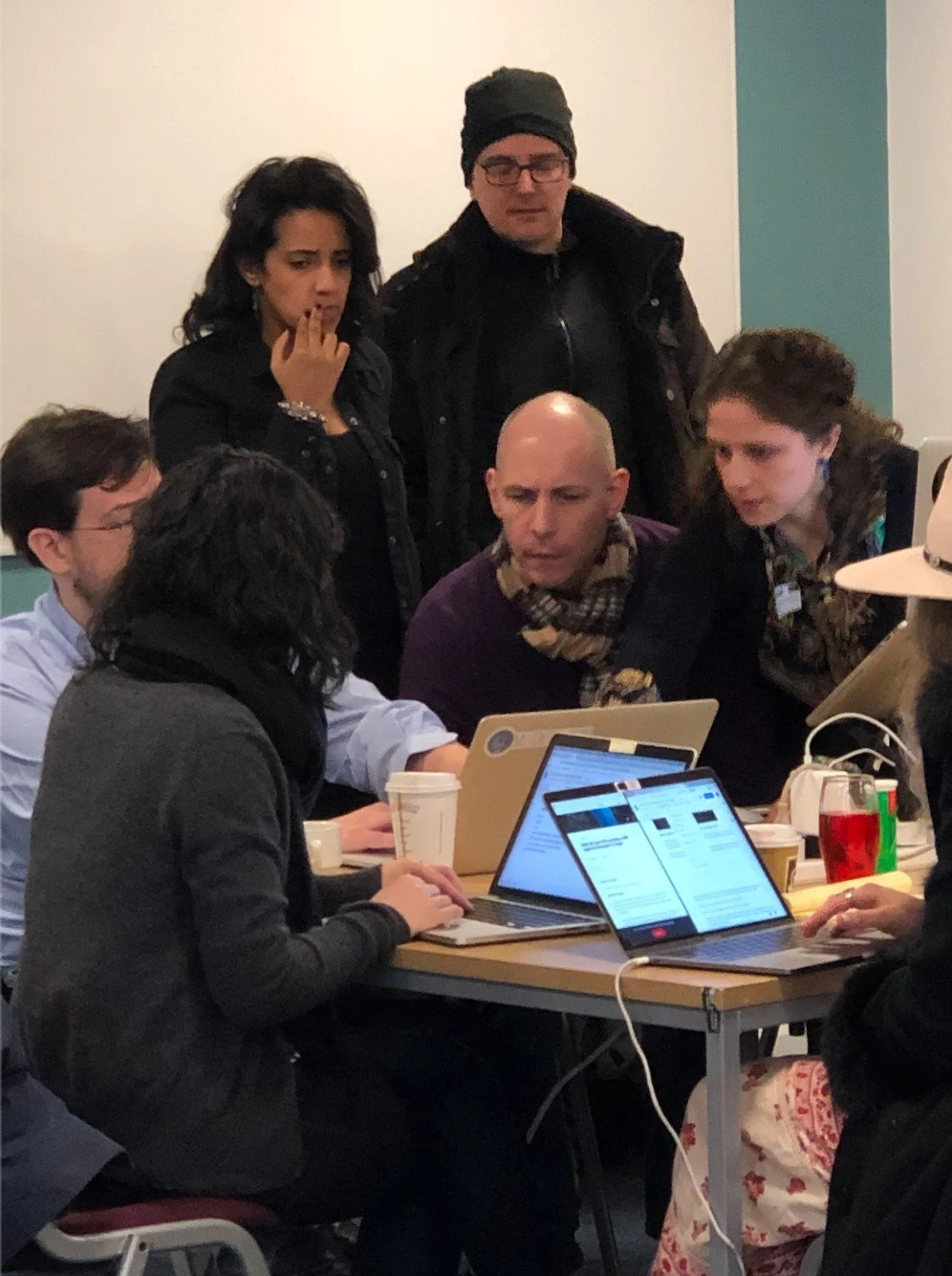
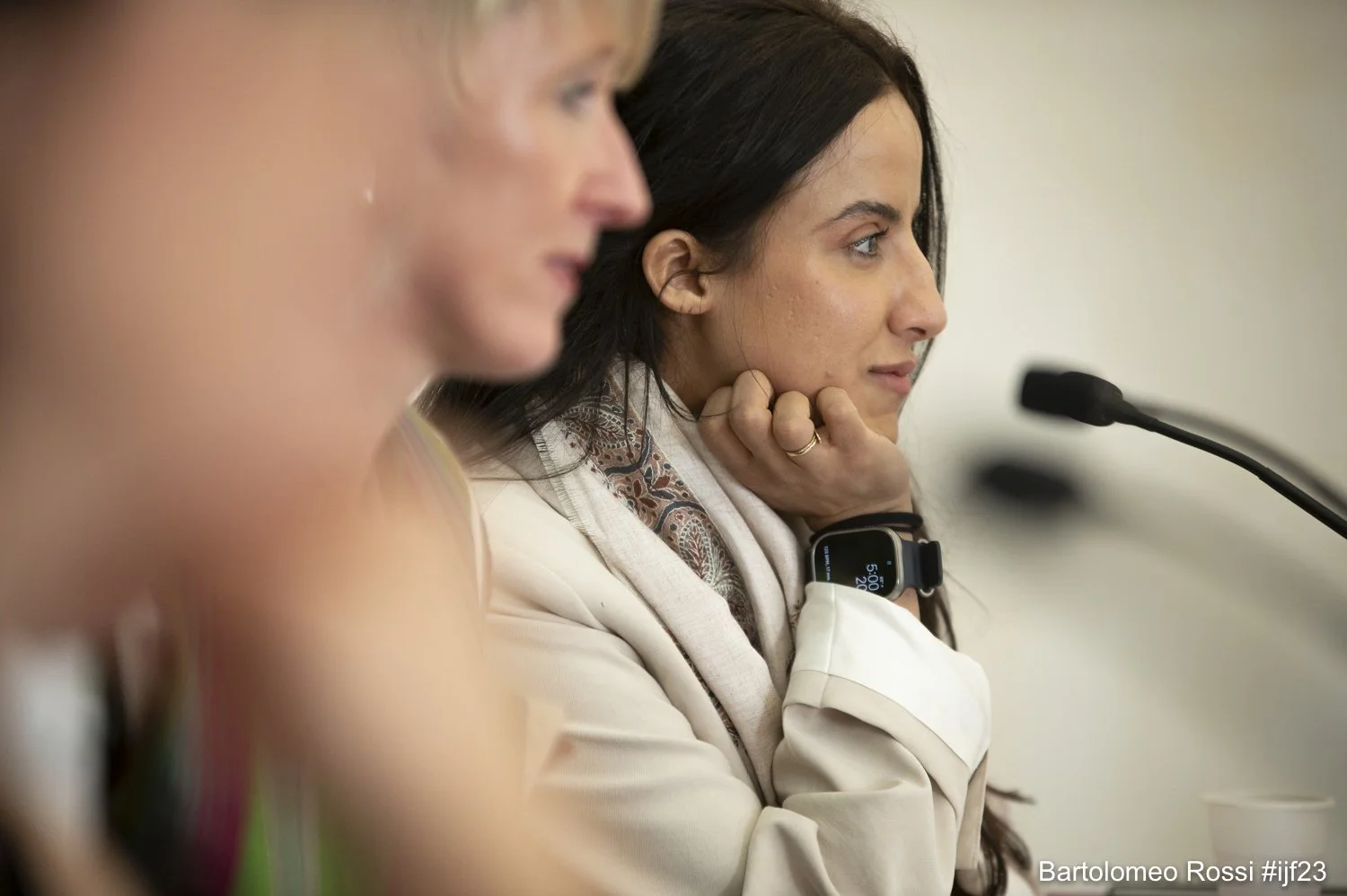
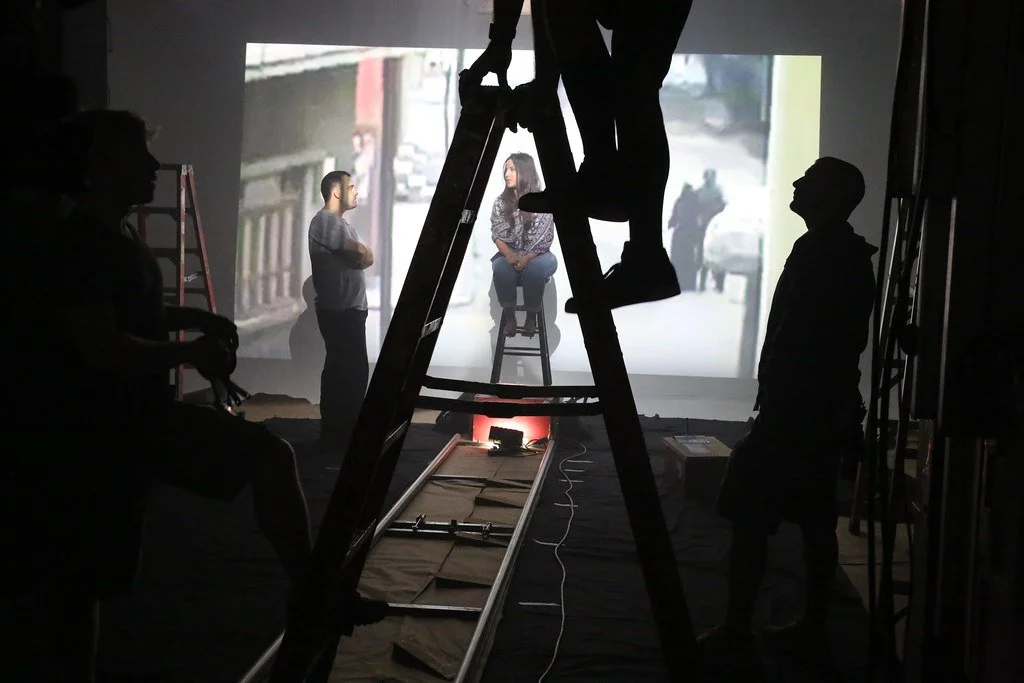
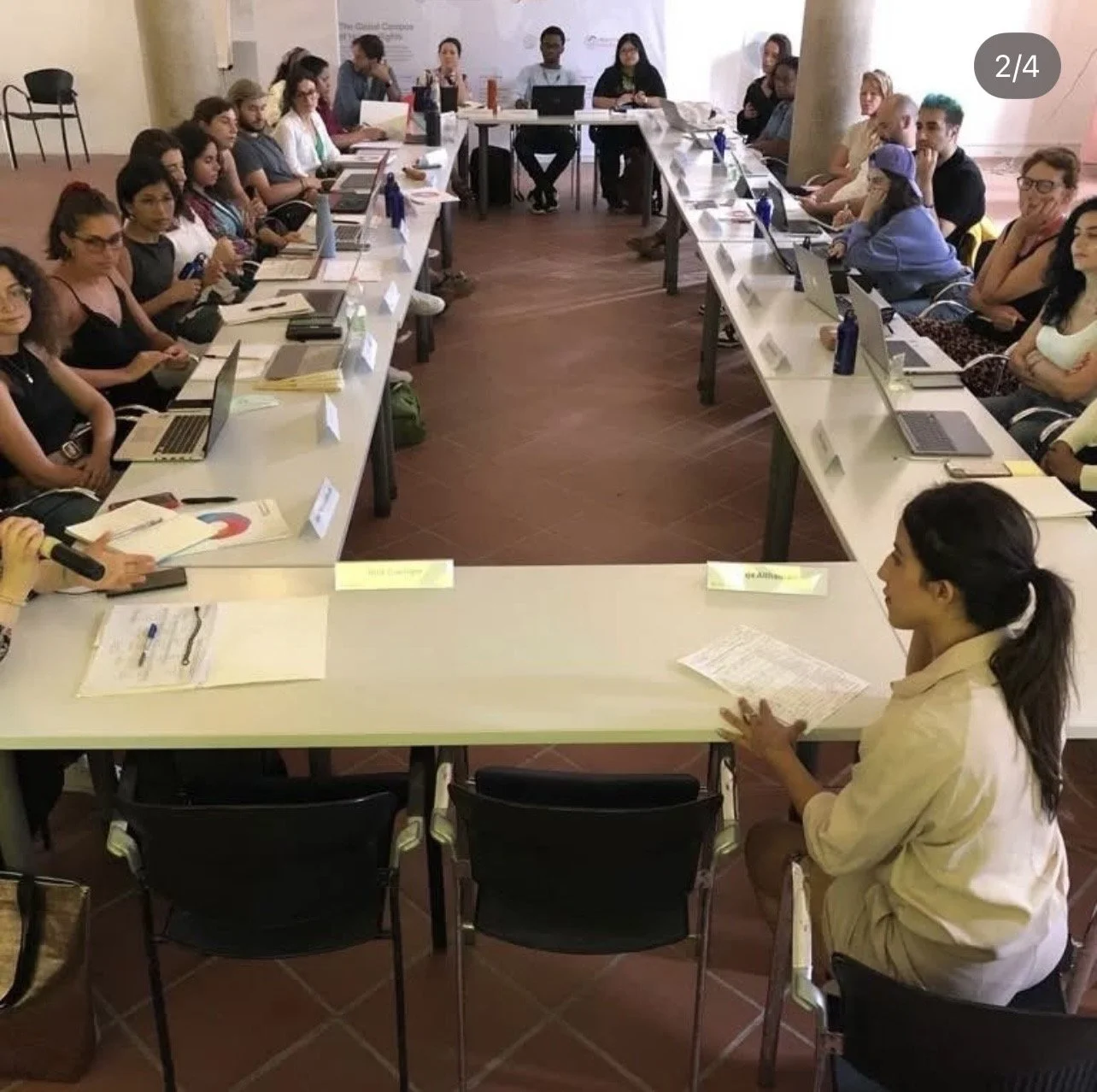
In unstable conditions, how you work matters as much as what you know.
Methods, judgment, and coordination become part of the outcome.
HOW I WORK
I translate complexity into execution—so institutions and practitioners can adapt to changing conditions without losing clarity, accountability, or operational coherence.
Diagnose the operating environment: risks, incentives, constraints, and failure points
Design the response system: decisions, workflows, safeguards, and coordination
Build capability: tools, training, standards, and structures that hold under pressure
My aim is to create measurable capacity that can function under strain, adapt across contexts, and remain accountable over time. What this looks like for different audiences:
-
Align authority with operational reality—so decisions are enforceable, accountable, resilient, and adaptable under pressure and shifts to come.
Clarify authority, incentives, and enforcement so decisions become executable
Design decision pathways that match field constraints and risk
Build governance safeguards and duty-of-care into operations
-
Tools, coordination, and safeguards that hold in real conditions when time, trust, and resources are limited.
Build workflows, playbooks, and coordination models for real conditions
Strengthen safer documentation, verification, and evidence handling, as well as cross-sector literacy and collaboration
Reduce friction across partnerships and collaborations so execution holds under pressure
-
Literacy and shared language that strengthens judgment, agency, and collective capacity.
Create public-facing resources that explain power, risk, and manipulation
Produce narrative and media work that strengthens agency without oversimplifying
Leverage platforms and formats to expand access to emerging knowledge, skills, and tools
-
Shared methods, standards, and learning loops so capability transfers, scales, and doesn’t stay siloed.
Develop training, toolkits, and standards that travel across contexts
Build more conductive and less insulated community infrastructure for knowledge circulation and mentorship
Capacity transfer so new leaders inherit usable skills, models, and systems, not brittle ones
Engagements are shaped by context, not templates. I work with people carrying responsibility under constraint— where decisions have consequence, coordination is fragile, and inherited models no longer fit reality.
Some work centers practitioner communities directly. Other engagements advise leaders and institutions — strengthening the people responsible for implementation rather than overriding them.
If this resonates, the next step is a conversation.
HOW WE CAN WORK TOGETHER
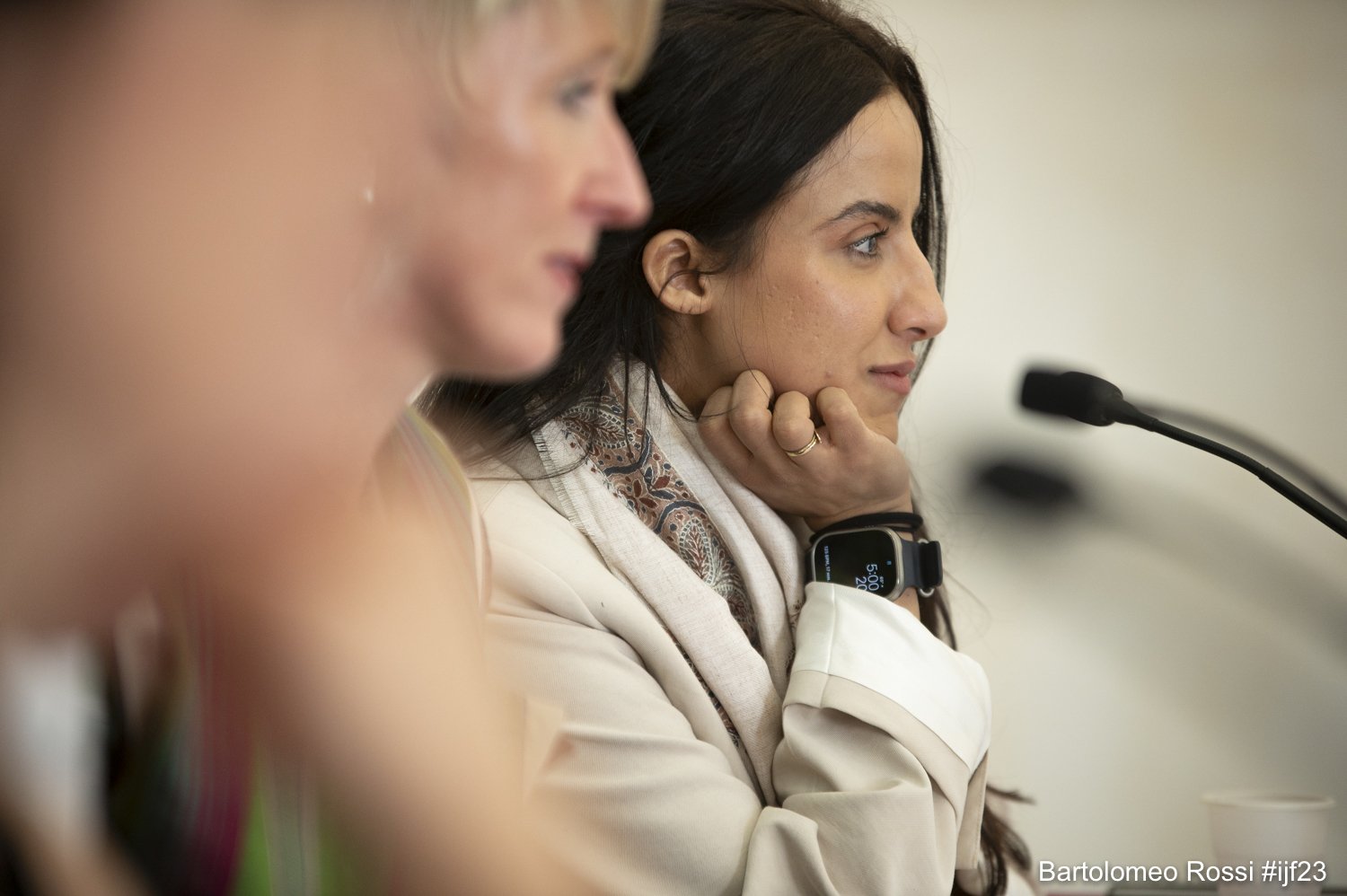
COMMUNITIES OF PRACTICE & FIELD WORK
Supporting shared judgment, coordination, and accountability among practitioners operating closest to implementation and lived impact.
Advising leaders and institutions facing high-stakes decisions — where expertise is contested, timelines compress, and consequences are real.
ADVISORY SUPPORT UNDER PRESSURE
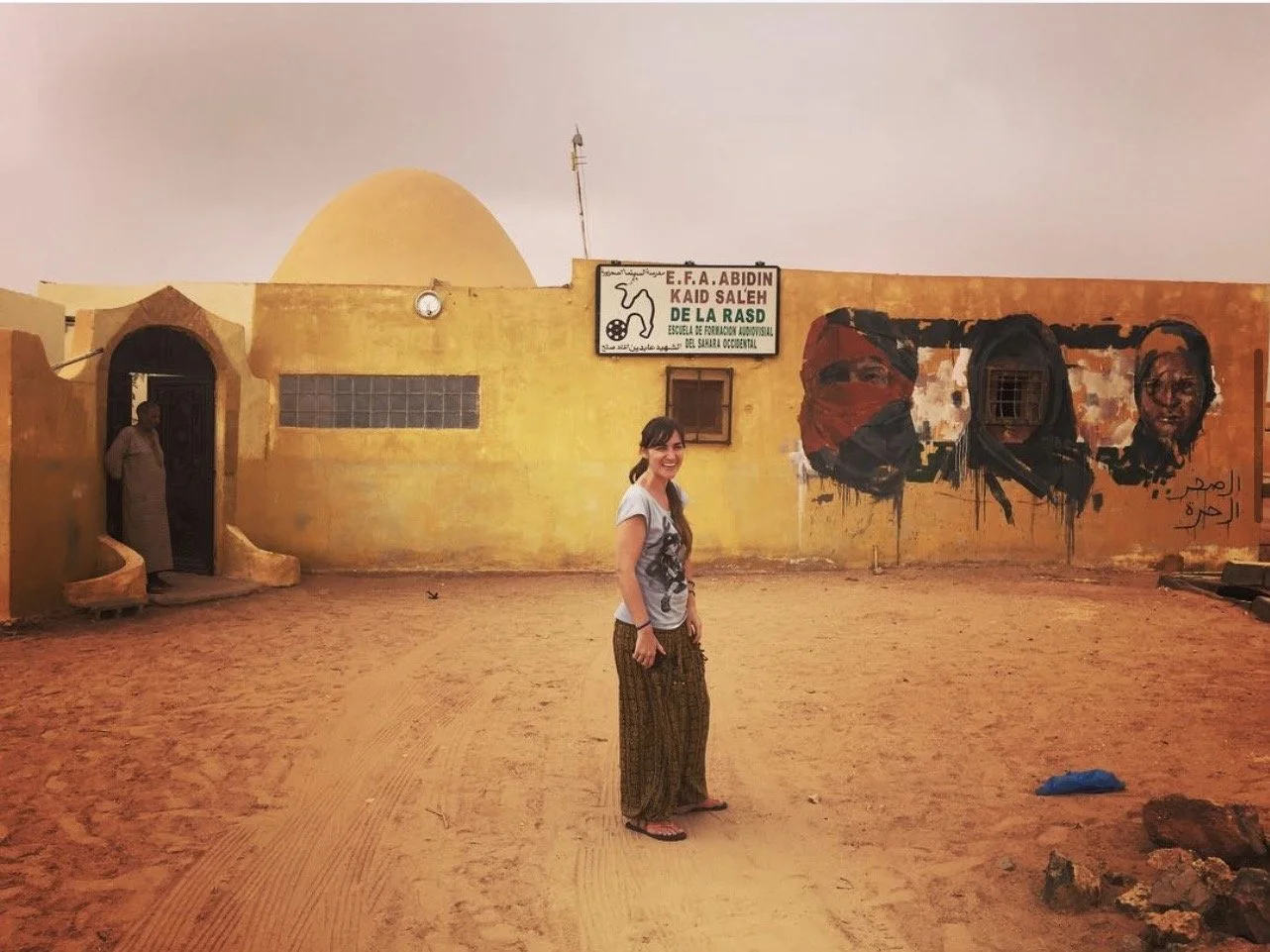

STRATEGY, DIAGNOSIS & SYSTEMS MAPPING
Clarifying how systems actually function — where breakdowns occur, where leverage exists, and what it takes to operate or reshape them under current conditions.
This is work for moments when responsibility cannot be deferred.
HOW I WORK
I translate complexity into execution—so institutions and practitioners can adapt to changing conditions without losing clarity, accountability, or operational coherence.
Diagnose the operating environment: risks, incentives, constraints, and failure points
Design the response system: decisions, workflows, safeguards, and coordination
Build capability: tools, training, standards, and structures that hold under pressure
My aim is to create measurable capacity that can function under strain, adapt across contexts, and remain accountable over time. What this looks like for different audiences:
-
Align authority with operational reality—so decisions are enforceable, accountable, resilient, and adaptable under pressure and shifts to come.
Clarify authority, incentives, and enforcement so decisions become executable
Design decision pathways that match field constraints and risk
Build governance safeguards and duty-of-care into operations
-
Tools, coordination, and safeguards that hold in real conditions when time, trust, and resources are limited.
Build workflows, playbooks, and coordination models for real conditions
Strengthen safer documentation, verification, and evidence handling, as well as cross-sector literacy and collaboration
Reduce friction across partnerships and collaborations so execution holds under pressure
-
Literacy and shared language that strengthens judgment, agency, and collective capacity.
Create public-facing resources that explain power, risk, and manipulation
Produce narrative and media work that strengthens agency without oversimplifying
Leverage platforms and formats to expand access to emerging knowledge, skills, and tools
-
Shared methods, standards, and learning loops so capability transfers, scales, and doesn’t stay siloed.
Develop training, toolkits, and standards that travel across contexts
Build more conductive and less insulated community infrastructure for knowledge circulation and mentorship
Capacity transfer so new leaders inherit usable skills, models, and systems, not brittle ones
Engagements are shaped by context, not templates. I work with people carrying responsibility under constraint— where decisions have consequence, coordination is fragile, and inherited models no longer fit reality.
Some work centers practitioner communities directly. Other engagements advise leaders and institutions — strengthening the people responsible for implementation rather than overriding them.
If this resonates, the next step is a conversation.
HOW WE CAN WORK TOGETHER
COMMUNITIES OF PRACTICE & FIELD WORK
Supporting shared judgment, coordination, and accountability among practitioners operating closest to implementation and lived impact.
Advising leaders and institutions facing high-stakes decisions — where expertise is contested, timelines compress, and consequences are real.
ADVISORY SUPPORT UNDER PRESSURE
STRATEGY, DIAGNOSIS & SYSTEMS MAPPING
Clarifying how systems actually function — where breakdowns occur, where leverage exists, and what it takes to operate or reshape them under current conditions.
This is work for moments when responsibility cannot be deferred.