
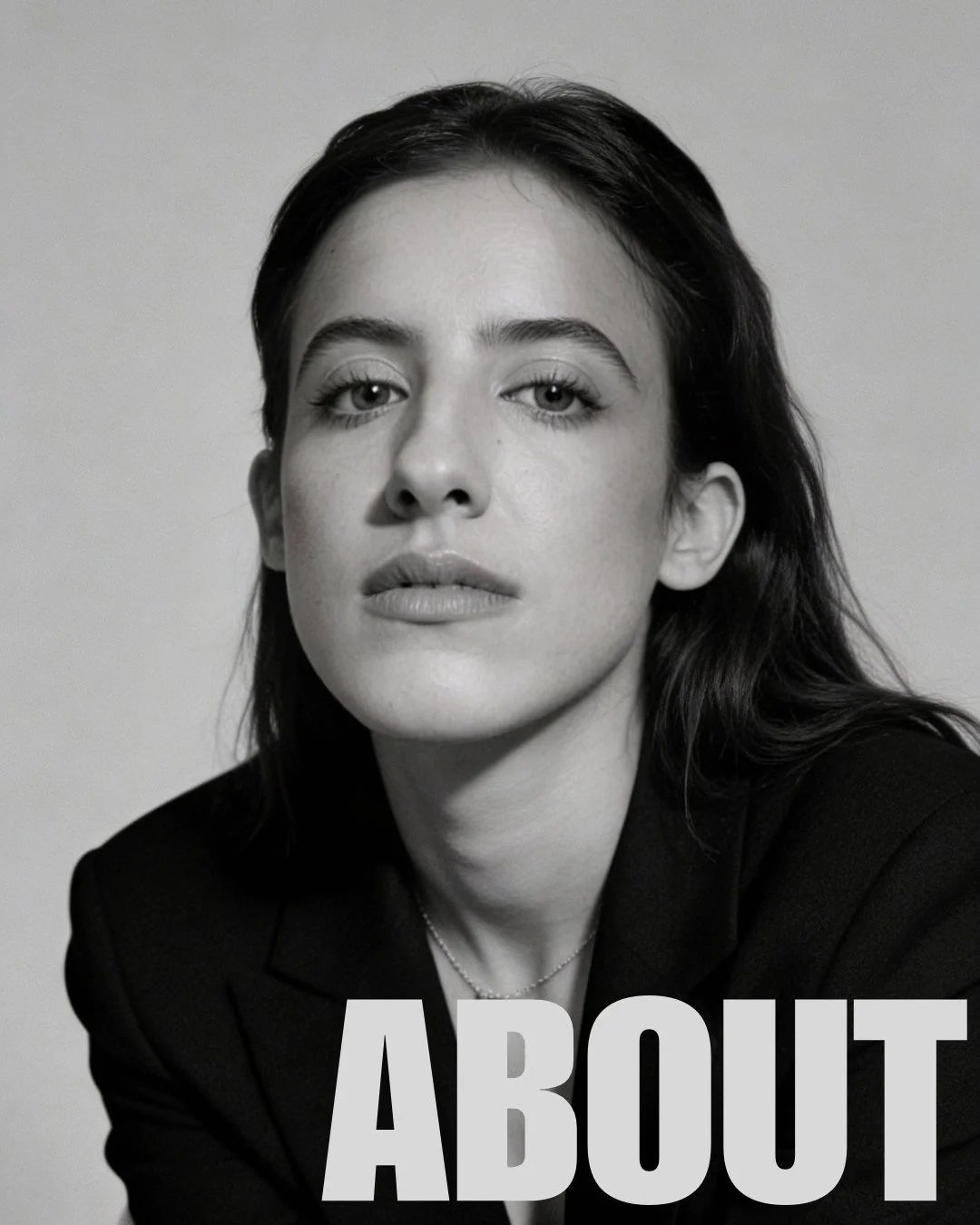
RAJA ALTHAIBANI
Raja Althaibani is an advisor, analyst, and founder working at the intersection of media, technology, justice, and public-interest systems.
I help leaders and practitioners make decisions that hold up in reality, especially when institutions are strained, information is contested, and the cost of error is human.
I’m a first-generation Yemeni American, born and raised in Brooklyn, from communities that have long lived with the downstream cost of system failure: unequal protection, selective enforcement, criminalization, displacement, and institutions that respond too late, for the wrong reasons, or not at all.
That proximity to consequence shapes my work and mission. That foundation shaped a core belief: systems do not fail in abstraction; they fail in practice, in people’s lives. [TBD: edit:" I have witnessed firsthand both professionally and personally that systems do not fail in abstraction, they fail in people’s lives. And that systems don’t fail, it’s people who make it fail/ work/ adapt etc]
My work sits at the intersection of systems, practice, and lived consequence. I support leaders, practitioners, and institutions operating where decisions carry legal, political, and human cost—strengthening judgment, coordination, accountability, and operational resilience under pressure.
For more than 15 years, I’ve worked across governance, media, justice, and technology ecosystems in high-risk and marginalized contexts. I began in frontline documentation during the early digital transition—where evidence, narrative, and power determine what becomes visible, actionable, and prosecutable. That foundation shaped a core belief: systems do not fail in abstraction; they fail in practice, in people’s lives.
Over time, my work expanded into systems strategy: rebuilding connective tissue between field practice, institutional frameworks, and communities of practice. I’ve advised governments, international institutions, civil society networks, and media organizations while designing practitioner-led, community-centered approaches that hold under real conditions. Much of my work bridges institutional decision environments with the operators closest to impact—translating lived expertise into governance, policy, and operational infrastructure.
What distinguishes my practice is proximity to consequence and a commitment to human-centered systems: less gatekeeping, more shared capability. I work where inherited models stop holding, where authority is misaligned with execution, and where emerging technologies introduce risk faster than institutions adapt. My focus isn’t disruption for its own sake—it’s durability: building systems that can self-correct, distribute responsibility without losing accountability, and evolve instead of repeating inherited failure.
Emerging technology—including AI and digital evidence systems—is part of this work, but never as an automatic solution. I focus on ethical deployment: governance that reduces harm, strengthens accountability, and ensures tools expand human agency rather than distort responsibility.
Today, my work increasingly supports generational transition: new actors are inheriting systems shaped by fragmentation, rapid technological change, and declining public trust. I help institutions and practitioners fortify what must endure, redesign what no longer works, and build infrastructure future leaders can extend rather than repair.
This practice also informs a broader platform devoted to strengthening communities of practice, cultural infrastructure, and public understanding of how systems shape everyday life—so more people have the knowledge, tools, and access to influence the structures that govern them.
I work inside complexity, where consequence is real and responsibility cannot be deferred, managed, or distanced.
summary, abstract:
Grounded in nearly two decades of experience across MENA/SWANA, the United States, and Western institutional contexts, my work brings together regional expertise, strategic analysis and forecasting, field-based practice, and the safe, ethical use of emerging technologies—including audiovisual methods, digital evidence, and generative AI—to strengthen media, journalism, information ecosystems, documentation, accountability, and the practical application of international legal frameworks. Delivered in both Arabic and English, my work is shaped by long-range regional perspective, operational depth, direct field and independent practice, and senior institutional leadership experience developed through major events and shifts across these regions. This rare interdisciplinary and cross-sector range, grounded in sustained real-world application and adaptation, allows me to work asymmetrically across levels—with agility, depth, and judgment—from frontline realities and practitioner needs to institutional strategy, coordination, and long-range analysis.
Move the rest into cards like this:
REGIONAL + CROSS-CONTEXT DEPTH
Nearly two decades across MENA/SWANA, the U.S., and Western institutional contexts
FIELD + APPLIED PRACTICE
Direct field and independent practice grounded in real-world adaptation
LEADERSHIP + OPERATIONAL RANGE
Senior institutional leadership across teams, responses, and strategy
EMERGING TOOLS + SECTOR APPLICATION
Audiovisual methods, digital evidence, and generative AI applied safely and ethically
I am a strategic leader consultant. field and systems architect with over 15 years of experience operating at the intersection of information integrity, emerging technology, and global governance. My work is defined by a dual-track approach: providing high-stakes triage for today’s institutional crises while building the long-term capacity required to navigate future threats.
Across the MENA/SWANA region, the United States, and other other global and intersectional contexts and environments, I help institutions recalibrate legacy models to remain resilient under the pressures of a volatile digital and political landscape. By moving decentralized field knowledge into the core of institutional policy, I help practitioners and leaders transition from reacting to threats to proactively shaping a new landscape. From generative AI to digital evidence in international law, I bridge field-level expertise with policy, turning decentralized knowledge into institutional, future-ready infrastructure.
My work spans information integrity, media and narrative systems, online harms and radicalization, digital and audiovisual evidence, governance, accountability, emerging technology, and public-interest strategy.
My approach is intentionally intersectional. Rather than treating media, technology, law, governance, and geopolitics as separate domains, I works across the ways they shape one another in practice: how foreign policy affects domestic conditions, how online environments influence real-world harm, how institutional decisions travel across borders, how siloed practitioners and fields of practice impact necessary innovation that serves global collective and impact, and how public narratives shape accountability, legitimacy, and response.
My subject-matter and technical expertise includes audiovisual and digital evidence, documentation and verification, online harms and radicalization, international law and accountability processes, media and reporting narratives, information integrity, generative AI and emerging technologies, and the design of more ethical, effective protocols, and operations. Regional expertise: Middle east northafrica (or SWANA, spell out here), united states, migrant rights in the Gulf (and the kafala system), and other intersectional regons (add). fluency in both Arabic and eblgish
A particular focus of her work is helping build more robust, future-ready communities of practice—ones that are not only spaces for exchange, experimentation, or innovation, but are better positioned to shape decision-making, influence institutions, and strengthen the systems they move through. This means building pathways through which emerging practice, field knowledge, and decentralized expertise do not remain siloed at the margins or inside closed professional circles, but can travel outward into the institutions, policies, and operating environments they are meant to improve.
She helps institutions, practitioners, and networks respond to complexity with stronger judgment, more credible systems, and practices that hold under pressure—through strategic advisory, systems design, training and capacity-building, investigations and evidence support, research and writing, and public-facing analysis on current events, geopolitical change, and emerging threats.
Through Arab Hyphenated I extend this mission into the cultural sphere, centering diaspora identity, community, as a vital force in societal well being and innovation.This work extends her broader practice into the cultural sphere—helping create stronger narratives around identity and community, and pushing back against the flattening, politicized, or one-dimensional ways Arab and diasporic lives are often represented.
Finally, My work is driven by a singular mission:
to enhance the ability of organizations and practitioners to operate impactfully amidst rapidly evolving global issues, emerging threats, and strategic opportunities. And to equip the next generation of practitioners with the systems, judgment, and credible evidence required to turn current volatility into future opportunity.
Whether through training support or strategic advisory, my goal is to move beyond simply reacting to change—instead, I build the systems and practice that impactfully shape it, and meet real world conditions and the communties within it.
Dedication
This work is dedicated to the men and women who carried responsibility before us, often without recognition, formal power, or written record, so others could inherit, build, and endure.
In particular, it honors my grandfather, Al-Thaly, an elder in my family lineage and a tribal mediator in Yemen. Though illiterate, he spent decades preventing conflict between tribes and community members, upholding integrity, restraint, and accountability in contexts where state systems often failed to maintain peace or cohesion.
When formal structures fractured, responsibility did not disappear. It moved to those willing to carry it.
That lineage shapes how I understand authority today. True authority does not rest in title alone. It rests in judgment, credibility, and stewardship under pressure.
The most durable systems are not the ones that appear strongest. They are the ones sustained by people capable of responsibility when it matters.
This work carries that legacy forward: honoring those who practiced responsibility without reward, and preparing those who will inherit strained systems to do the same.
SELECTED WORK
-
Led regional and global digital evidence, advocacy, and crisis-response programs building multi-country infrastructure for investigators, journalists, and legal actors operating in conflict and high-risk environments.
Designed and deployed rapid-response models during peak geopolitical crises, strengthening information resilience, cross-regional coordination, and emergency evidence preservation.
-
Developed documentation, digital evidence, and information integrity frameworks now used by frontline investigators and accountability practitioners, as well as regional and international institutions.
Authored and contributed to field guides and practice standards shaping how audio-visual evidence is collected, verified, and used in investigative, journalistic, and legal contexts.
-
Built and sustained cross-regional communities of practice across SWANA and beyond, connecting field practitioners with institutional ecosystems, media networks, and justice mechanisms.
Designed practitioner training architectures for high-risk documentation environments, delivering tools and methodologies to thousands of journalists, investigators, and human rights defenders globally.
-
Integrated ethical innovation and governance into information-sharing and digital evidence workflows, influencing standards around open-source content and perpetrator documentation.
Advanced governance models for responsible emerging technology deployment at the intersection of AI, media ecosystems, and human rights practice.
-
Provided expert guidance featured in major global media, shaping public understanding of digital evidence, crisis accountability, and emerging investigative practice.
Dedication
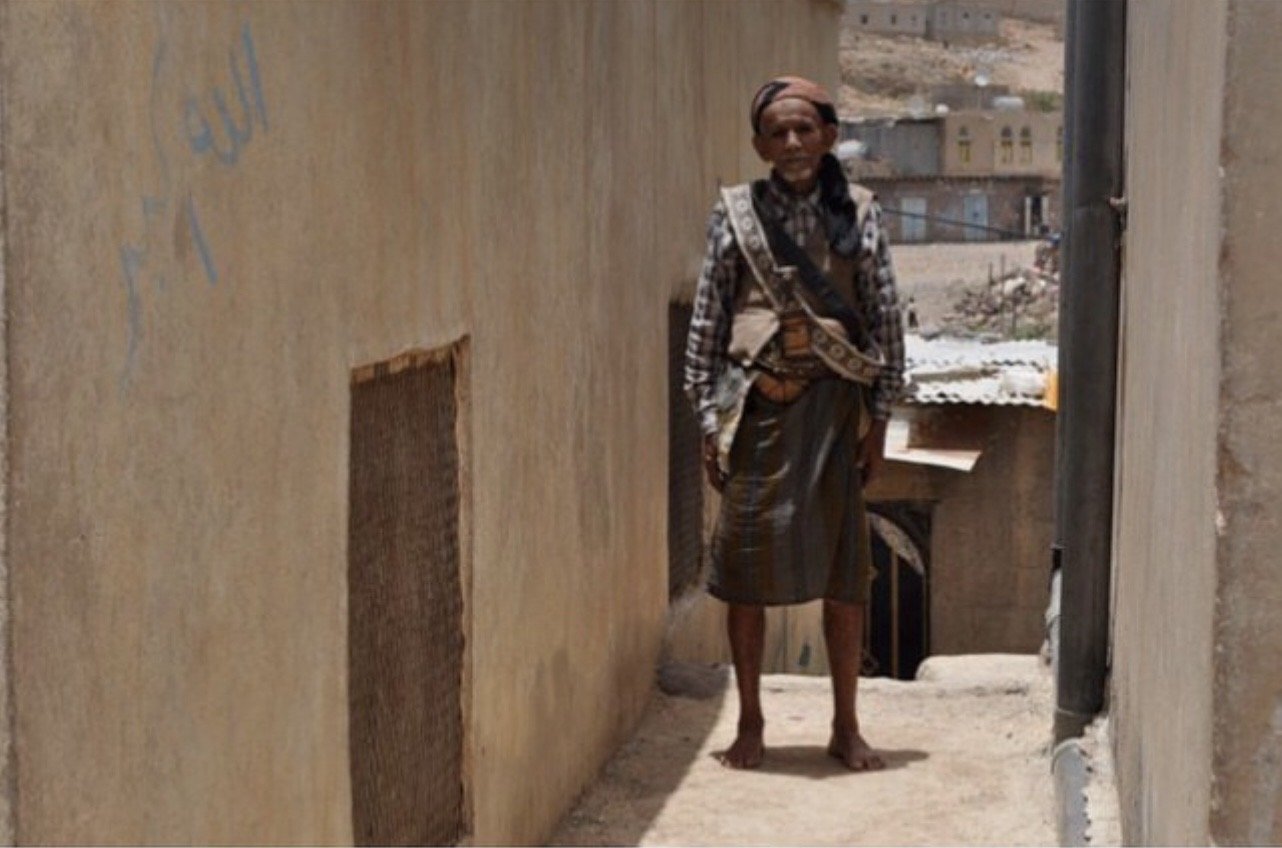
This work is dedicated to the men and women who carried responsibility before us, often without recognition, formal power, or written record, so others could inherit, build, and endure.
In particular, it honors my grandfather, Al-Thaly, an elder in my family lineage and a tribal mediator in Yemen. Though illiterate, he spent decades preventing conflict between tribes and community members, upholding integrity, restraint, and accountability in contexts where state systems often failed to maintain peace or cohesion.
When formal structures fractured, responsibility did not disappear. It moved to those willing to carry it.
That lineage shapes how I understand authority today. True authority does not rest in title alone. It rests in judgment, credibility, and stewardship under pressure.
The most durable systems are not the ones that appear strongest. They are the ones sustained by people capable of responsibility when it matters.
This work carries that legacy forward: honoring those who practiced responsibility without reward, and preparing those who will inherit strained systems to do the same.
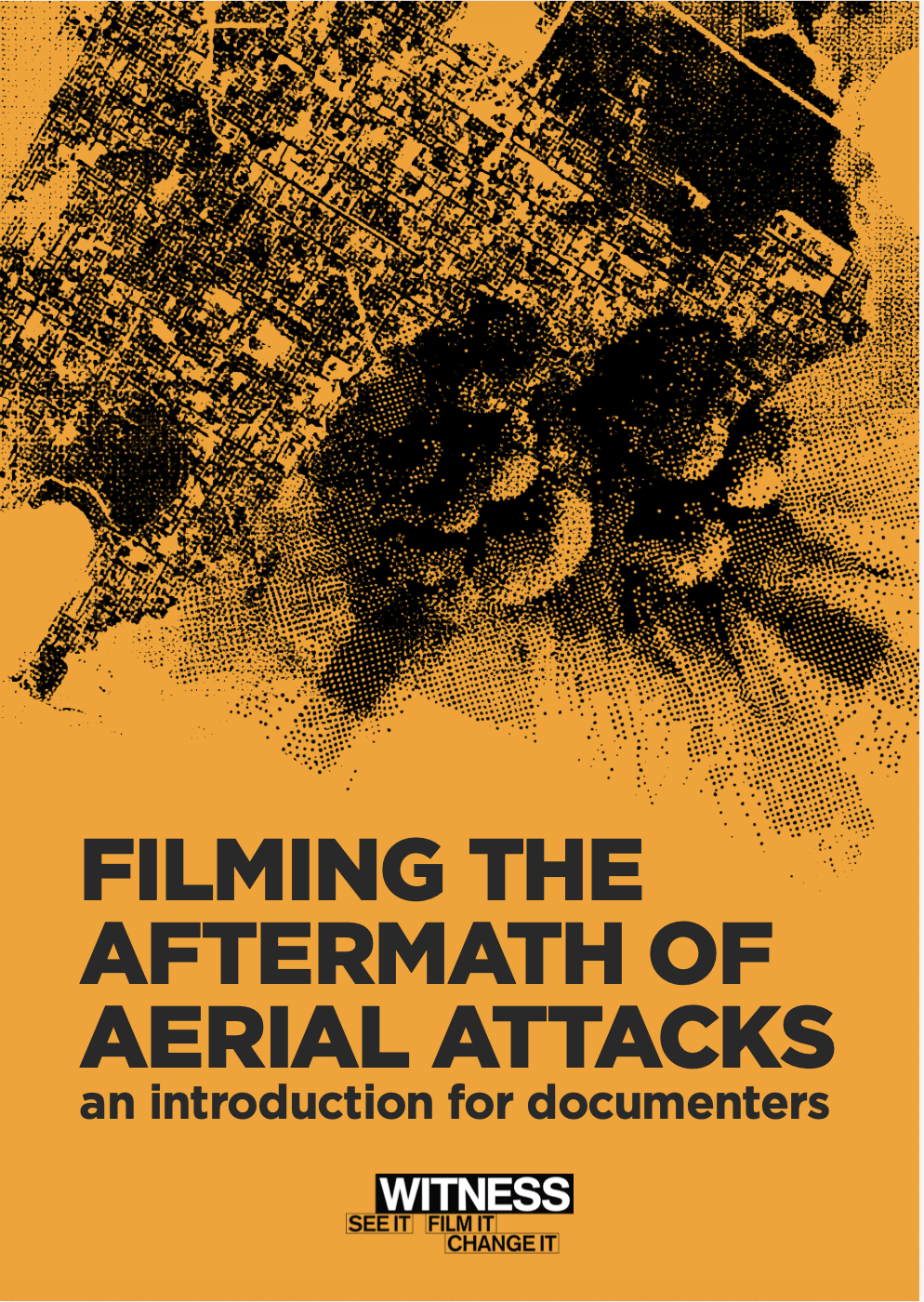
Documenting & Investigating the Impact of Armed Attacks | Guides
Role: Senior Lead & Creator
Who is this for? Field Documenters,. Journalists, Investogators and Lawyers
Add the different versions and cirricula , and thought leadership , summarize all and have the media section above highlight multiple images of the latets guide and cirricula and more.
Core team of contributors and input into the guidance: Tara Vassefi, Libby/ Mnemonic , Dearbhla/ GLAN, John Ismay, al haq , mwatana, Syrian institue for justice, Bellingcat, and WITNESS.
Perpetrator Video:
How to Use Perpetrator Video in the Context of Armed Conflict
Documenting Injuries to Prove Responsibility and Intent to Cause Harm— the Case of Torture in Syria’s Caesar Files
Tip Sheet Series
Role: Co-Creator for WITNESS
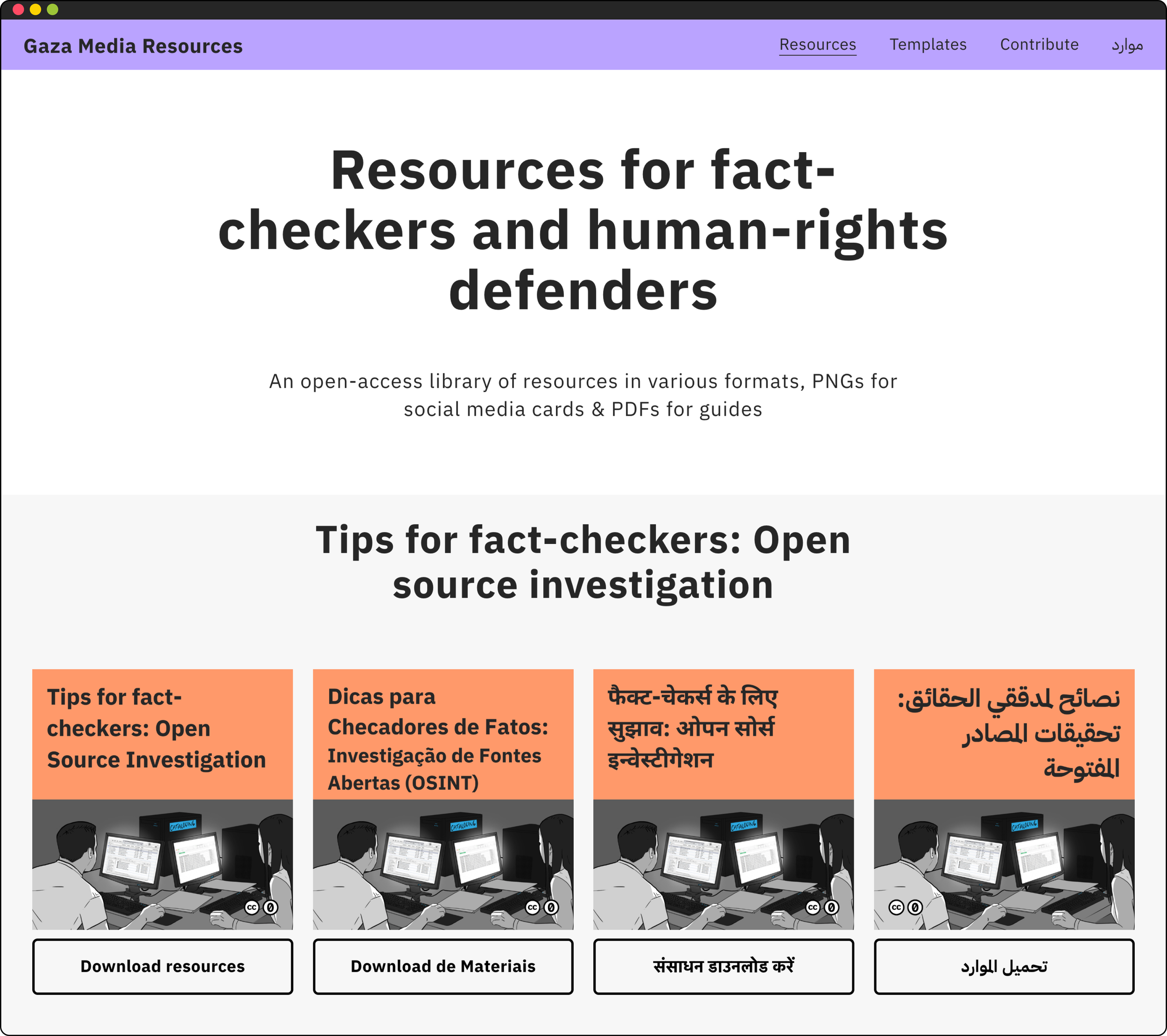
Gaza Media Resources Crisis Response Open Resource Suite
Role: Senior Lead & Co-Creator
Who is this for? Journalists, Fact Checkers, Field Documenters, analysists and Tech Practiioners
These resources are part of a collaborative initiative I led in developing for WITNESS, SMEX, Meedan, and 7amleh in October 2023. Together, we aim to provide vital tools and guidance for documenting human rights abuses and ensuring the accessibility of information amidst ongoing challenges in Gaza and beyond. Learn more about this initiative here.
Perpetrator Video:
Trapped in the Guldf
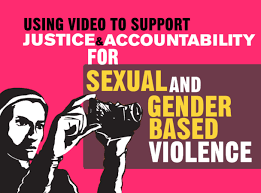
Using Video to Support Justice and Accountability for Sexual and Gender-Based Violence
Role: Contributor
This guide looks at how video can be gathered and used to document the legal elements of SGBV crimes. This guide was created so that frontline documenters and community advocates can capture high-quality, trustworthy, and actionable video documentation, and help advance justice and accountibility effort.
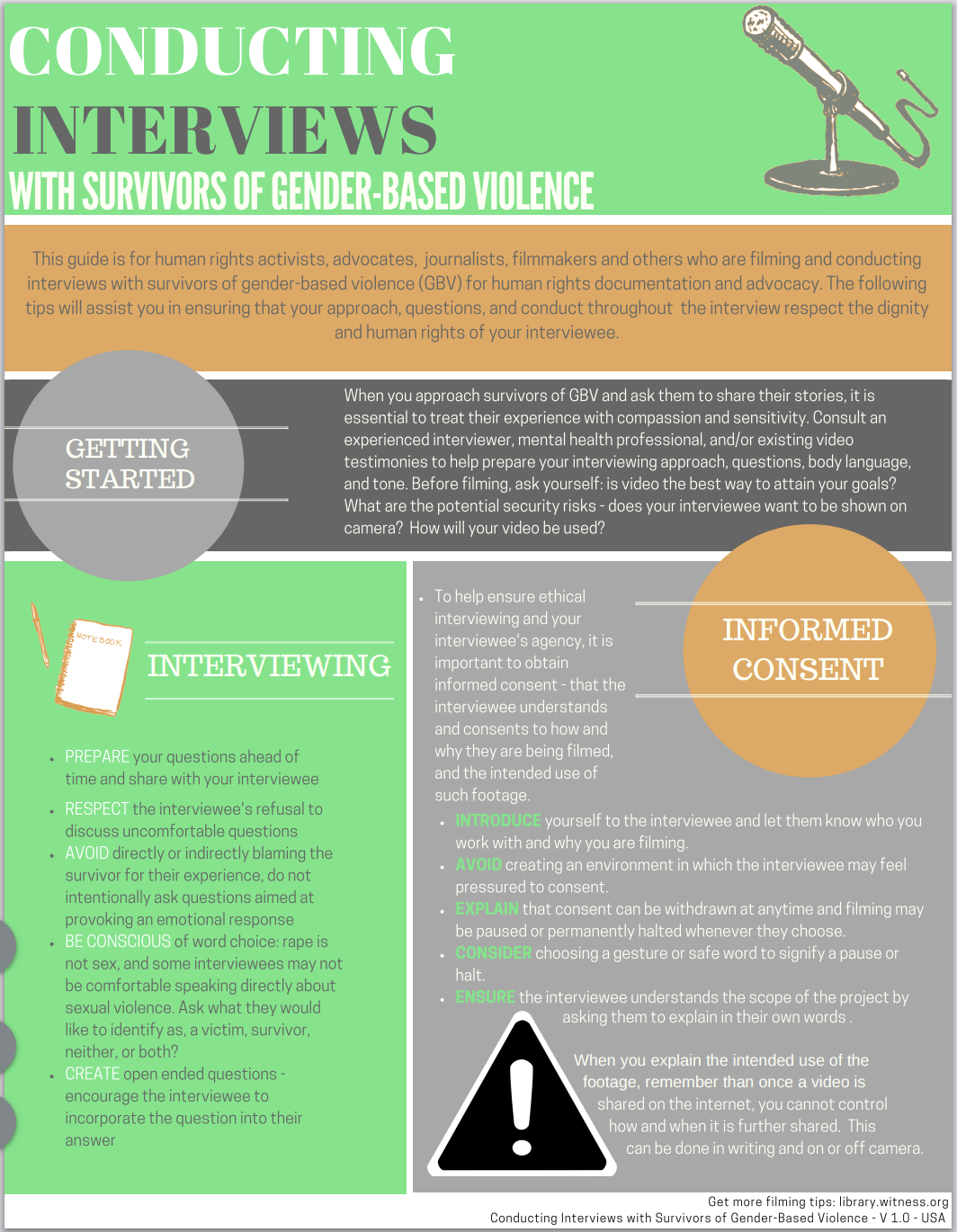
Interviewing Survivors of SGBV
Role: Contributor
Filming Protests and Police Misconduct
Video as Evidence Field Guide
Role: Co-creator
Who is this for? Lawyers, Activists, Field Documenters and Reporters, Field Investgators
The Video as Evidence Field Guide helps filmers use videos to expose abuse and bring about justice. This resource helps ensure that more cameras in more hands can lead to more exposure and greater justice.
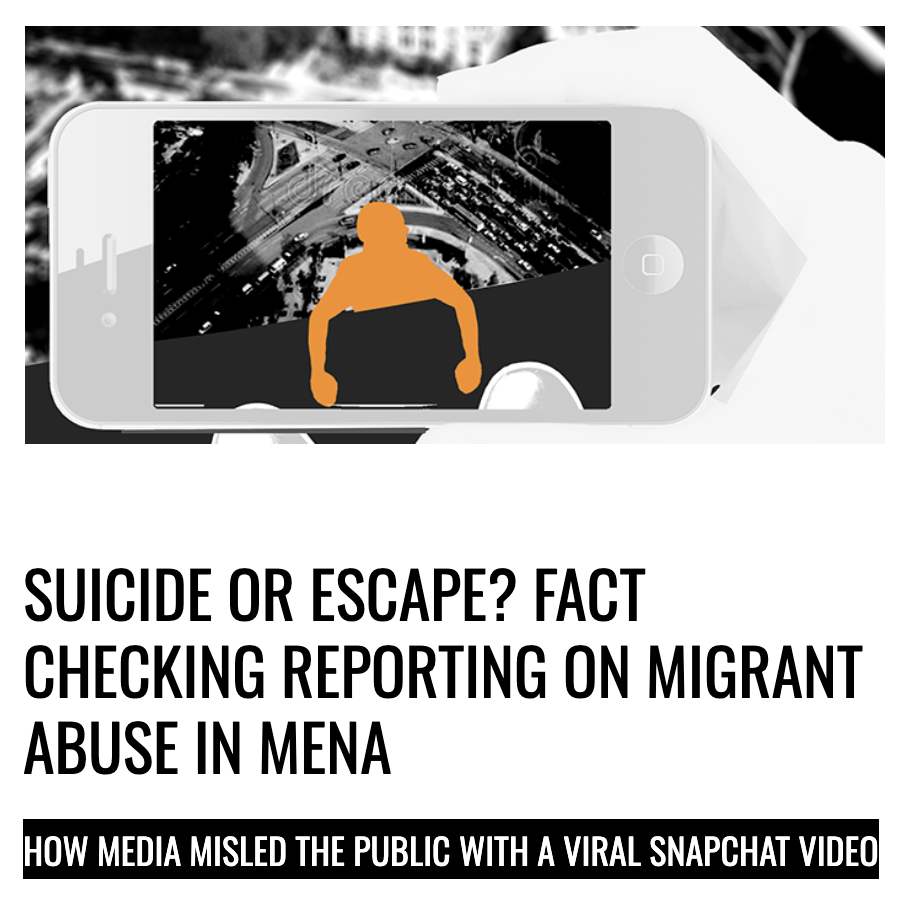
Perpetrator Video & Migrant Abuse
:
https://lab.witness.org/trapped-in-the-gulf/
Role: Contributor
Activists’ Guide to Archiving Video Field Guide
Role: Contributor and Co-Creator
Archiving video is an essential but often overlooked component of video advocacy. Learn about best practices for organizing, storing, preserving, and sharing your footage.
Interviewing Survivors of SGBV
Role: Co-Creator
This tip sheet is for human rights activists, advocates, journalists, filmmakers and others who are filming and conducting interviews with survivors of gender-based violence (GBV) for human rights documentation and advocacy. The following tips will assist you in ensuring that your approach, questions, and conduct throughout the interview respect the dignity and human rights of your interviewee.