
People are RELYING ON US for REAL IMPACT. OUR TIME IS NOW.
Every event we host is designed with intention, from the atmosphere we create to the way each session flows.

GET STARTED
Welcome to a space designed for ideas that move people. With a focus on quality, clarity, and connection, we're here to help you make an impact that lasts.
Services

-
Flexible, expert advice when you need it. Book hourly support across a range of topics—from planning to problem-solving. This focused consultation will help clarify your goals, map out next steps, and identify opportunities for growth.
-
Flexible, expert advice when you need it. Book hourly support across a range of topics—from planning to problem-solving. This focused consultation will help clarify your goals, map out next steps, and identify opportunities for growth.
-
Flexible, expert advice when you need it. Book hourly support across a range of topics—from planning to problem-solving. This focused consultation will help clarify your goals, map out next steps, and identify opportunities for growth.
Practice — not theory — is what holds under pressure.
This moment demands new and adaptive infrastructure.
-
Algorithmic Accountability Frameworks: Developing "Human-in-the-Loop" architectures that ensure AI supports, but never replaces, the final authority of human decision-makers.
Governance & Escalation Logic: Designing clear institutional incentives and binding frameworks that define when a decision must be elevated from automated triage to expert human review.
Ethical Hybrid Systems: Implementing techno-ethical principles to structure how public administrators and journalists act as moral agents when using opaque technologies
Training and Capacity: design and implement capacity building for international staff. and external collaborators so they are supported and equipped to practice, with emergin tech as a tool not as a replacement.
-
Cross Regional Interdisciplinary / cross sector communtities of practice:
Provenance-Tracking Deployment: Integrating metadata standards into field documentation to distinguish human-witnessed evidence from manipulated assets in real-time.
Diversified Human and Multi-Agent Coordination: Transitioning from isolated global north and techcinal centric experts, tools, and workflows, to more diverse and depth of globally relvent real world tehcnical and conetxual expertise; integrated human dominant and AI agent supported architectures that handle repetitive data extraction while humans focus on high-value field interpretation.
Communities of practice:
Resilient Training Modules: Moving workforce literacy beyond "how to use tools" toward "assurance literacy"—training practitioners to critically evaluate AI outputs for accuracy and bias.
-
Risk-Based Tiering: Evolving risk models to move beyond brittle checklists toward dynamic, multi-stakeholder, real world scenario-based policies that anticipate how power and accelerated tech fragments across digital and physical landscapes.
Divserification of funding:
Building cross organizational protection gaurdrails and protocols when/ if crises or policy shifts impact resources and threaten sustainability (work an dworkforce)
Epistemic Integrity Audits: Assessing how how both your human and AI infrastructure mediates your information flow, scope and depth of contextual knowledge, growing biases and narrowing global framing; and developing strategies to preserve the "human voice" and capability against the tide of synthetic content, and pressures towards the rapid and premature adoption of AI and other emerging technologies and new media.
Collaborative Investigation Design: Mapping cross-border threats and opportunities to build work plans, collaborative strategies that center impacted communities, and human right approaches; and anticipate information trends, harmful narratives before they spread across regional and global contexts.
-
Human-Centric Digital Governance: Anchoring digital transformation in inclusion and the public interest by connecting global policy discussions with frontline lived experience, and expertise from the communities most impacted and who have most at stake.
Open-Source Formalization: Human-Centric Digital Governance: Anchoring digital transformation in inclusion and the public interest by connecting global policy discussions with frontline lived experience, and expertise from the communities most impacted and who have most at stake.
Community-Centered Open-Source Investigative Practice: strengthening the rigor, safety, and legitimacy of open-source investigative practice without turning it into a gatekept, extractive, or decontextualized field.
Public Participation Models: Prioritizing participatory review boards and citizen dashboards to ensure institutional decisions remain subservient to democratic norms.
Public Participation and Community Leadershipp and Decision Making Power Models: Prioritizing participatory review boards and citizen dashboards to ensure institutional decisions remain subservient to democratic norms, and is led rather than “informed” by communities it involves.
Below are the core areas of practice I use to help organizations, practitioners, and networks move beyond brittle legacy habits toward more resilient, credible, and adaptive ways of working.

Strategy, Foresight & Systems Analysis
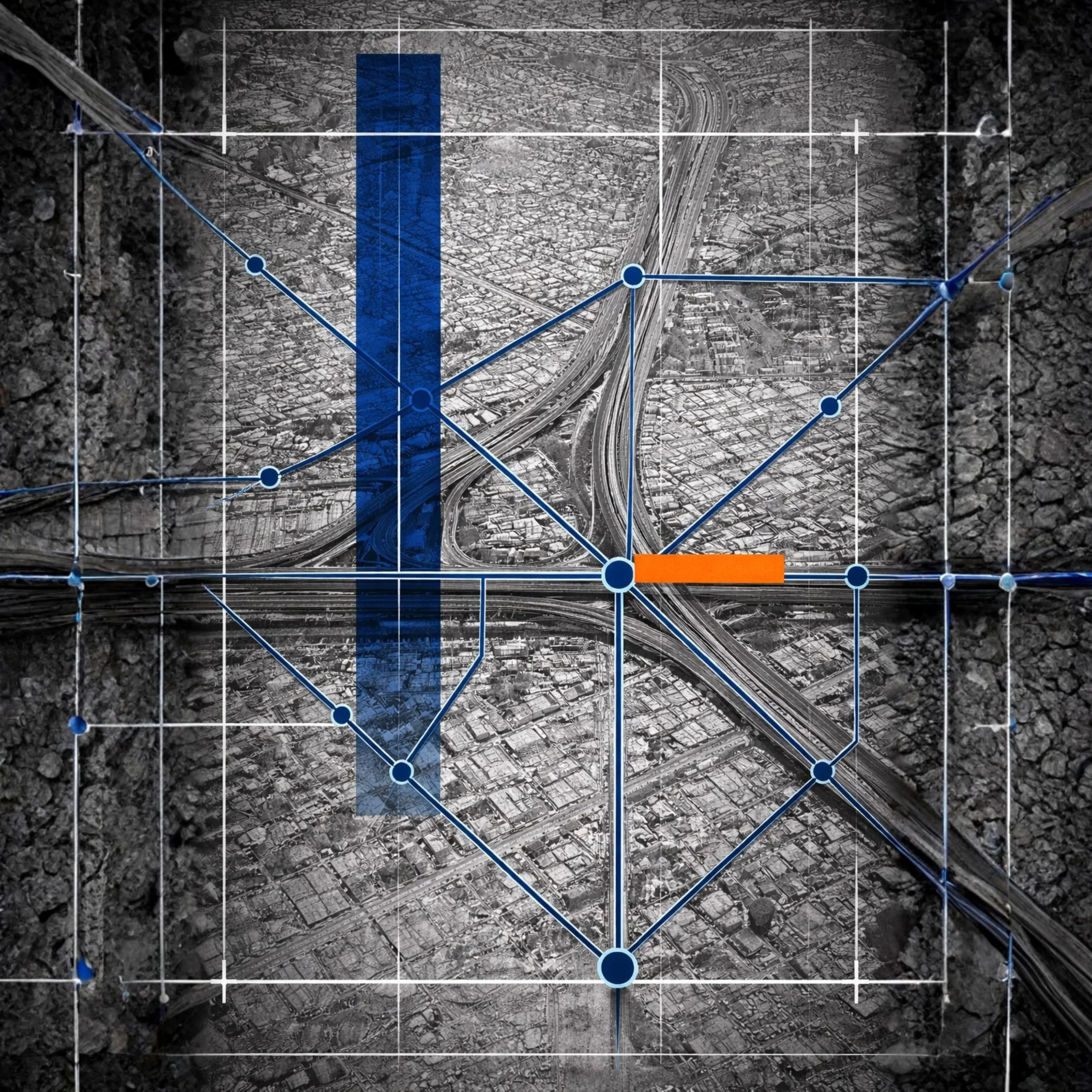
I help organizations, networks, and practitioners make sense of shifting political, technological, and institutional conditions so they can act with stronger judgment, clearer priorities, and better coordination. This includes strategic analysis of risk, power, information environments, regional dynamics, governance trends, and emerging threats across media, human rights, justice, and public-interest ecosystems.
Information Integrity, Digital Evidence & Investigative Practice
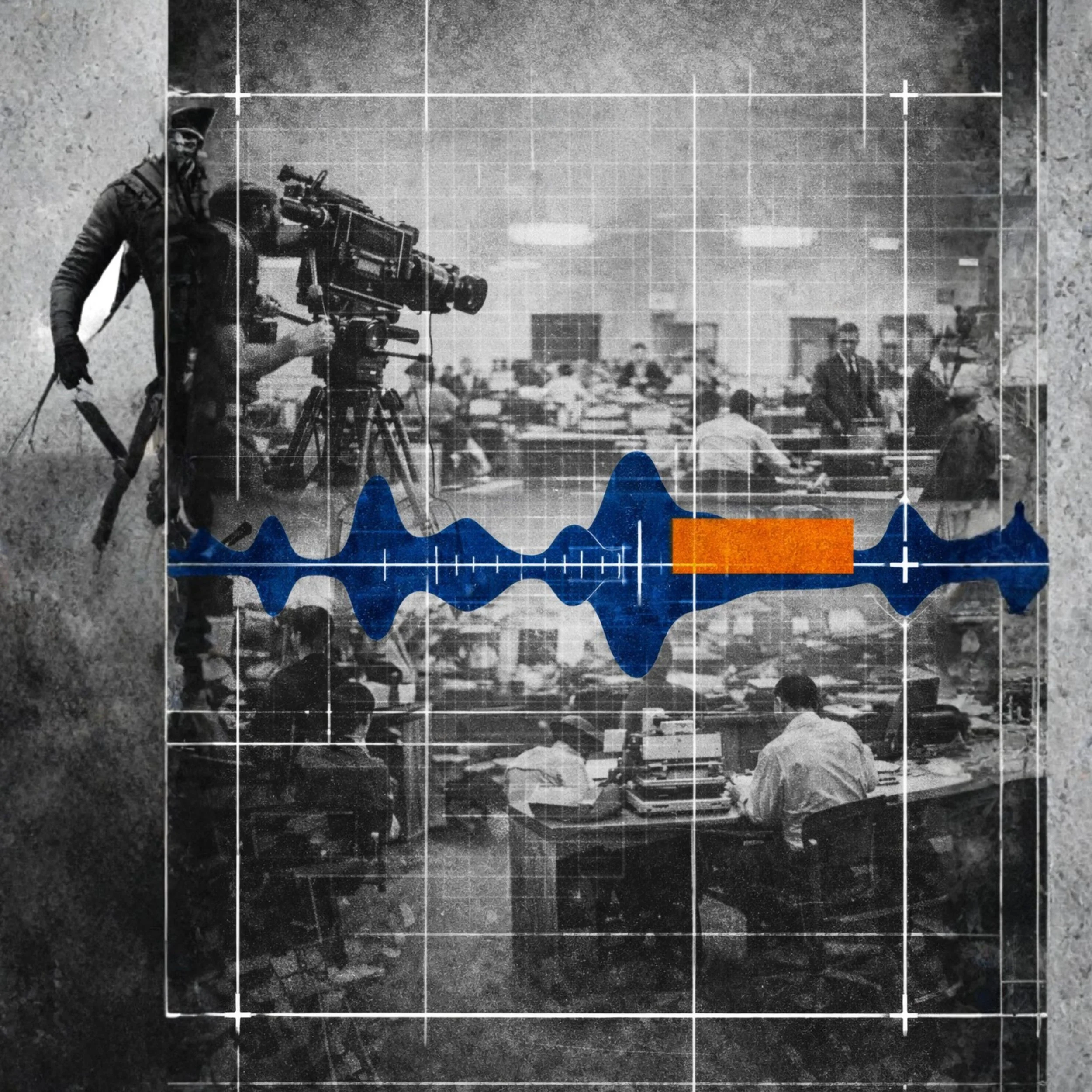
I strengthen how organizations document, verify, interpret, and use information, especially audiovisual, digital, and open-source material, in ways that are credible, ethical, secure, and fit for real-world accountability, reporting, advocacy, and legal use. My work bridges digital evidence, OSINT, archives, journalism, and human rights documentation with deep contextual and regional expertise.
Operational Capacity, Training & Applied Implementation
I help teams, institutions, and grassroots networks build the practical systems, workflows, and internal capacity they need to operate effectively under pressure. This includes training, capacity building, tool integration, protocol design, and cross-functional coordination tailored to real operating environments rather than abstract best practice.
Human-Centered Innovation, AI Integration & Responsible Technology
I help organizations adopt and shape emerging technologies in ways that are ethical, context-aware, secure, and grounded in public-interest values. This includes AI-assisted models, open-source tools, and human-in-the-loop systems that strengthen rather than replace expertise, judgment, and accountability.
The Work: Strategies for a Veracity Infrastructure
I help institutions, practitioners, and networks build the judgment, capacity, and coordination required to operate under pressure. This is not about optics or institutional preservation. It is about strengthening the systems, workflows, and decision environments that allow people to respond credibly, coordinate effectively, and remain accountable in fast-changing conditions.
My work draws on more than 15 years across governance, media, justice, and technology—bridging institutions, systems, and frontline realities where decisions carry legal, political, and human consequence. Below are the core strategies I use to help organizations navigate the shift from legacy habits to a resilient, human-centered operational reality.
1. Decision Infrastructure: Calibrating Judgment & Accountability
Algorithmic Accountability Frameworks: Developing "Human-in-the-Loop" architectures that ensure AI supports, but never replaces, the final authority of human decision-makers.
Governance & Escalation Logic: Designing clear institutional incentives and binding legal frameworks that define when a decision must be elevated from automated triage to expert human review.
Ethical Hybrid Systems: Implementing techno-ethical principles to structure how public administrators and journalists act as moral agents when using opaque technologies.
Open Government Partnership +2
2. Strategic Foresight: Navigating Power & Emerging Threats
Risk-Based Tiering: Evolving risk models to move beyond brittle checklists toward dynamic, scenario-based policies that anticipate how power fragments across digital landscapes.
Epistemic Integrity Audits: Assessing how AI mediates your information flow and developing strategies to preserve the "human voice" against the tide of synthetic content.
Collaborative Investigation Design: Mapping cross-border threats to build work plans that anticipate harmful narratives before they spread across regional and global contexts.
Open Government Partnership +4
3. Operational Capacity: Ground-Truth Workflows & Verification
Provenance-Tracking Deployment: Integrating C2PA and IPTC metadata standards into field documentation to distinguish human-witnessed evidence from manipulated assets in real-time.
Multi-Agent Coordination: Transitioning from isolated tools to integrated AI agent architectures that handle repetitive data extraction while humans focus on high-value field interpretation.
Resilient Training Modules: Moving workforce literacy beyond "how to use tools" toward "assurance literacy"—training practitioners to critically evaluate AI outputs for accuracy and bias.
free-com +2
4. Adaptive Practice: Reclaiming Agency in the Structural Shift
Human-Centric Digital Governance: Anchoring digital transformation in inclusion and the public interest by connecting global policy discussions with frontline lived experience.
Institutional Open-Source Formalization: Professionalizing open-source investigative (OSINV) networks to formalize how grassroots data is used to hold powerful actors accountable.
Public Participation Models: Prioritizing participatory review boards and citizen dashboards to ensure institutional decisions remain subservient to democratic norms.
Welcome to the United Nations +2
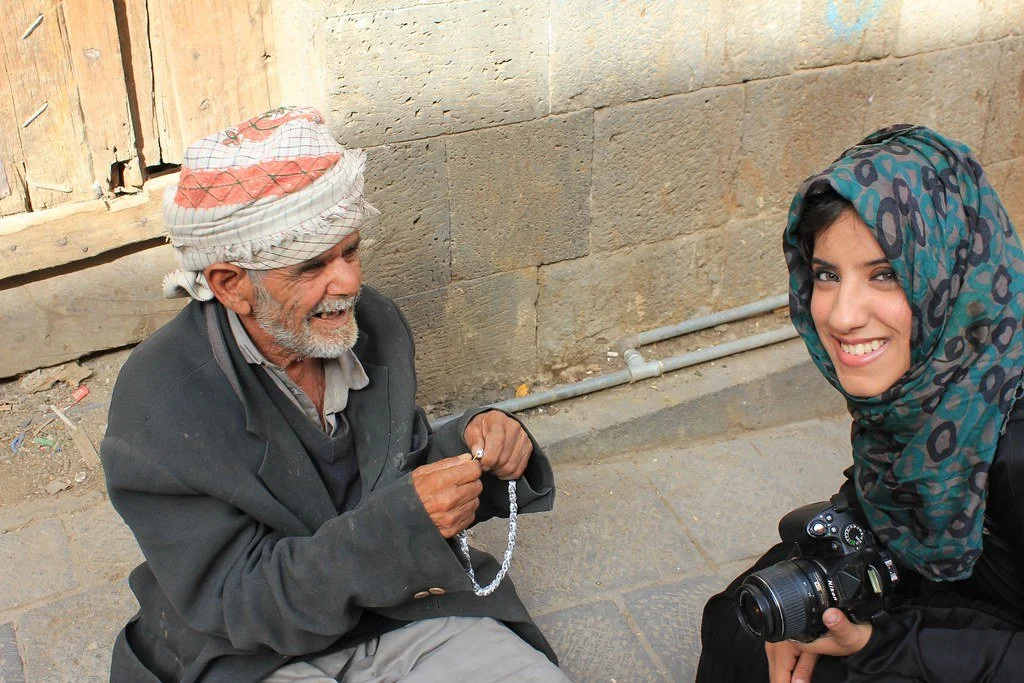
CREATE SECTIONS:
Systems advisory
Institutional strategy
Cultural ecosystem building
Public literacy programs
Leadership formation
Long-term partnerships
CTA: Work with me → build what lasts
Advisory Service DescriptionS; Not “consulting. Language: infrastructure design • institutional recalibration , leadership architecture, ecosystem strategy, narrative governance, public literacy framework. I architect environments, not deliver slides.
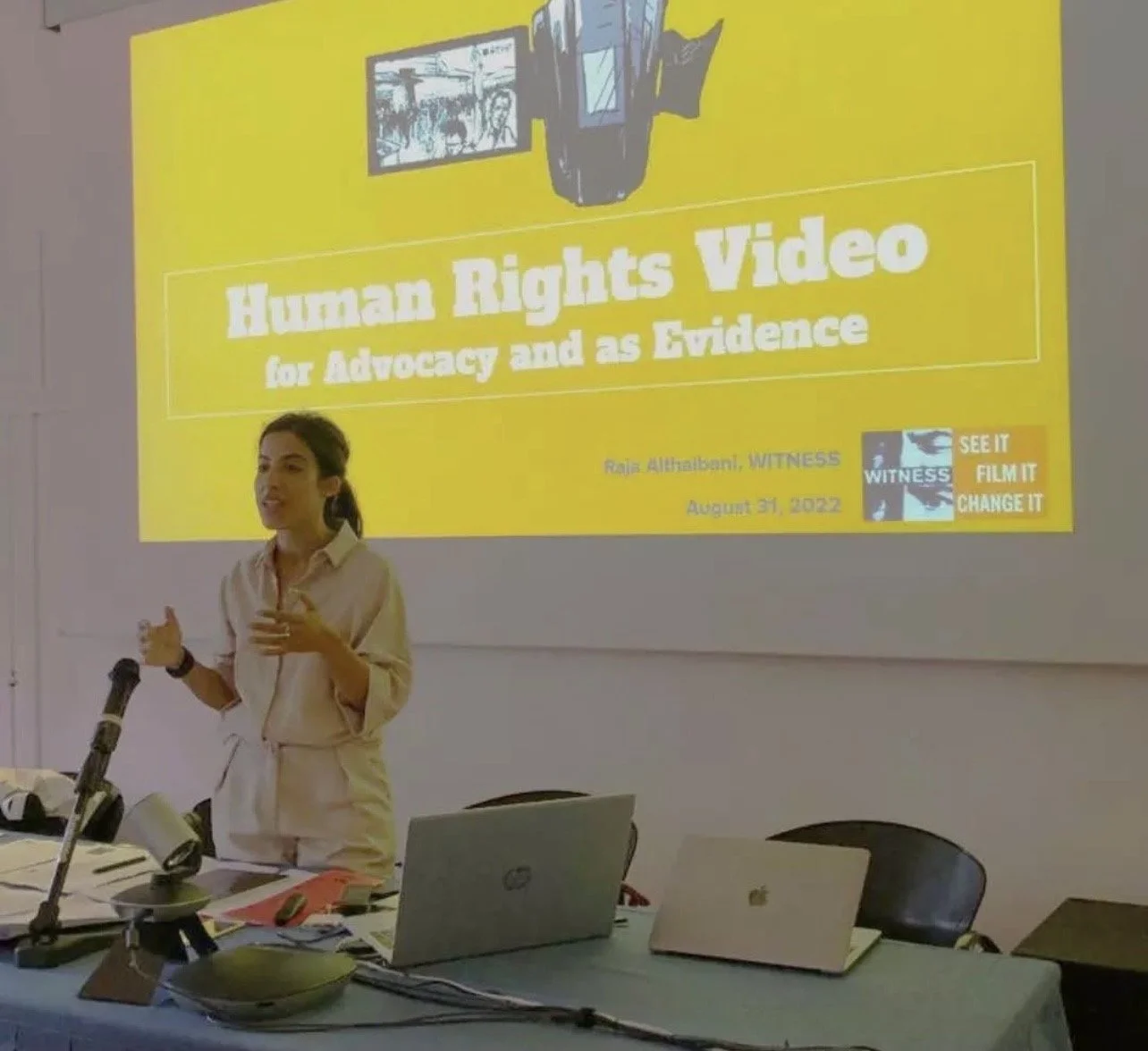
TRAINING & RESOURCES
I design and deliver training, toolkits, and implementation resources that help teams adapt to new realities—using emerging practice, new media, and safer tech. The goal is capability that transfers across contexts, not dependence on traditional models that don’t travel.
This includes short- or long-term capacity building programs for regional civil society groups, partners, and field practitioners.
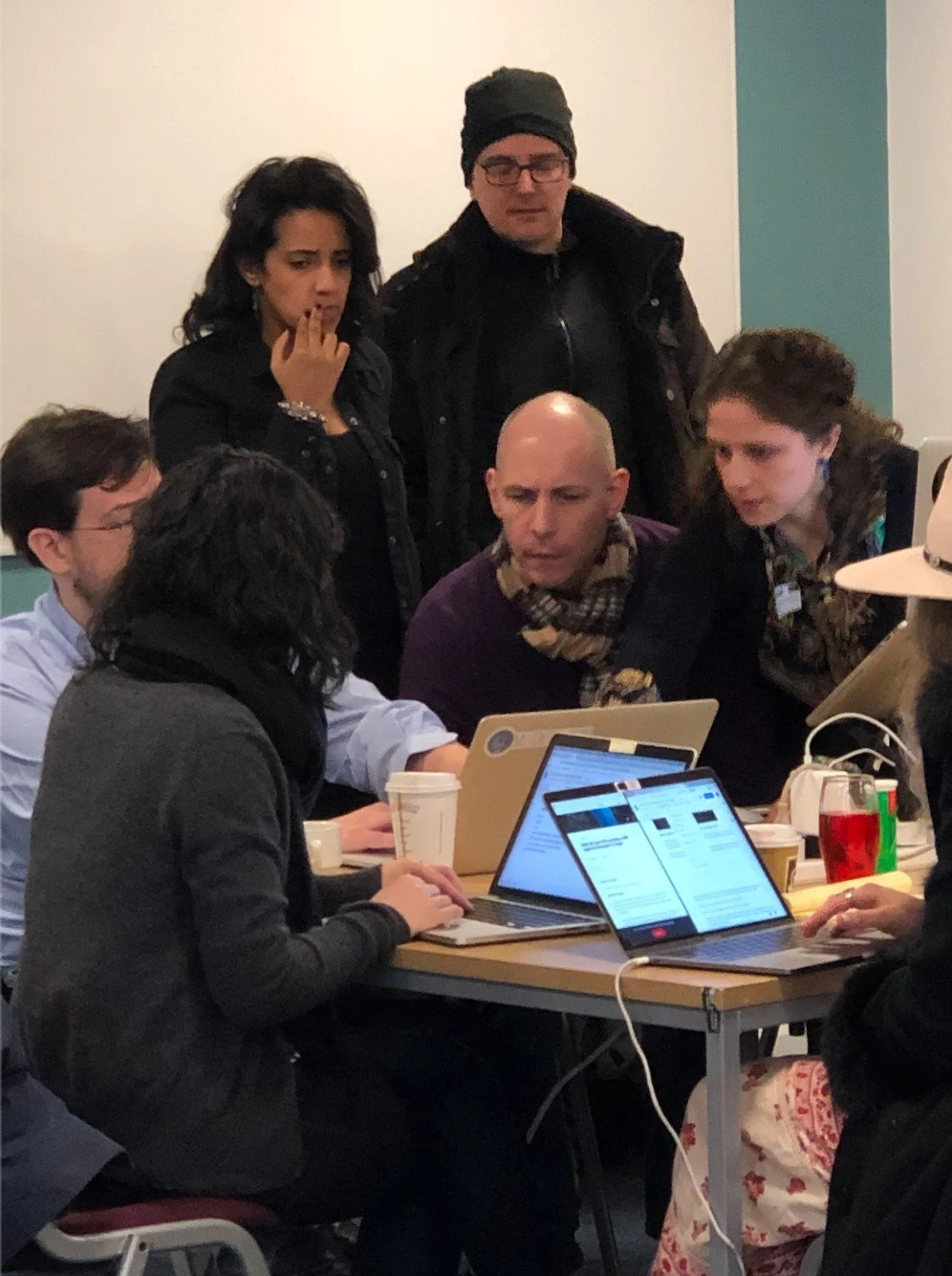
COMMUNITIES OF PRACTICE & CROSS NETWORK COLLABORATION
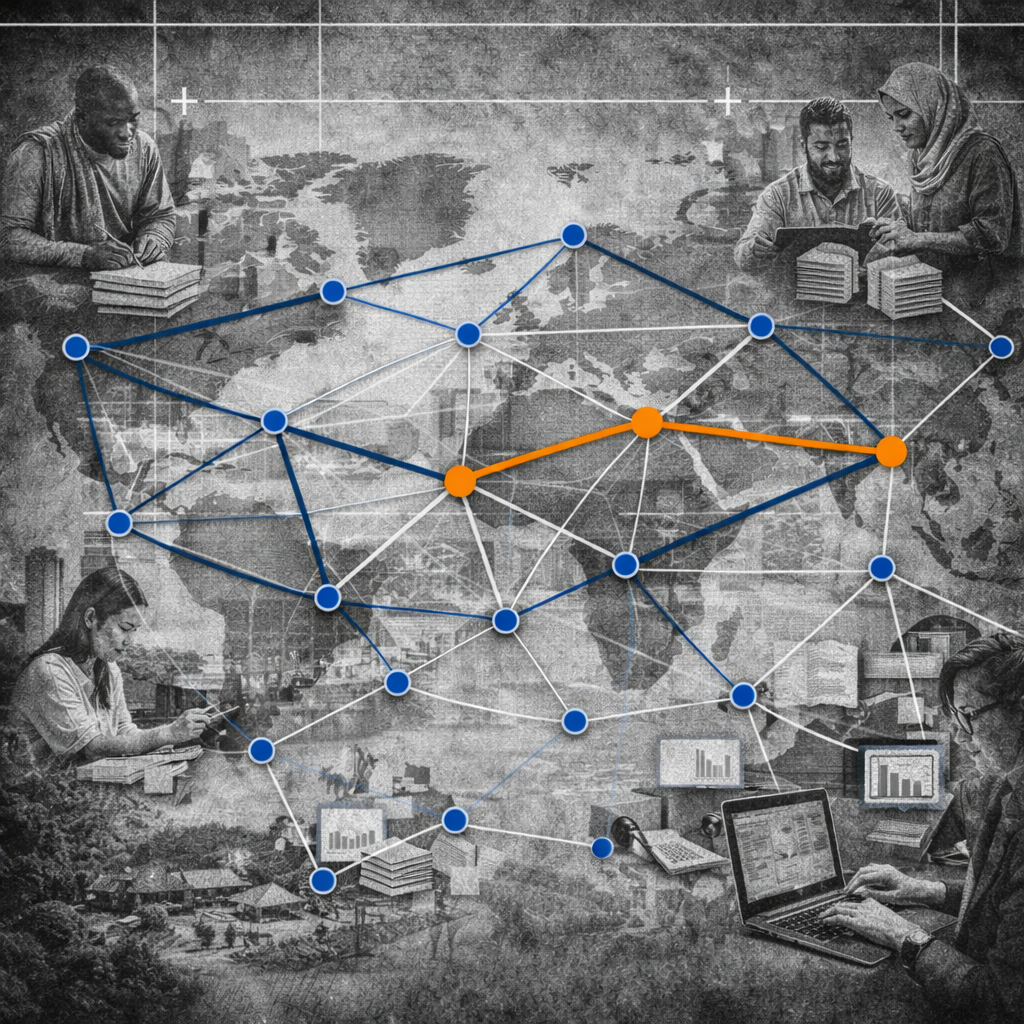
I help build and strengthen communities of practice across organizations, fields, and regions—so knowledge circulates, skills evolve, standards improve, and collaboration becomes easier under pressure, and under crisis. This includes coalition-building, shared methodologies, and the global interdisciplinary human and technical infrastructure that makes coordination across context and regions durable and inclusive— particularly when systems and traditional models are unable to deliver and respond..
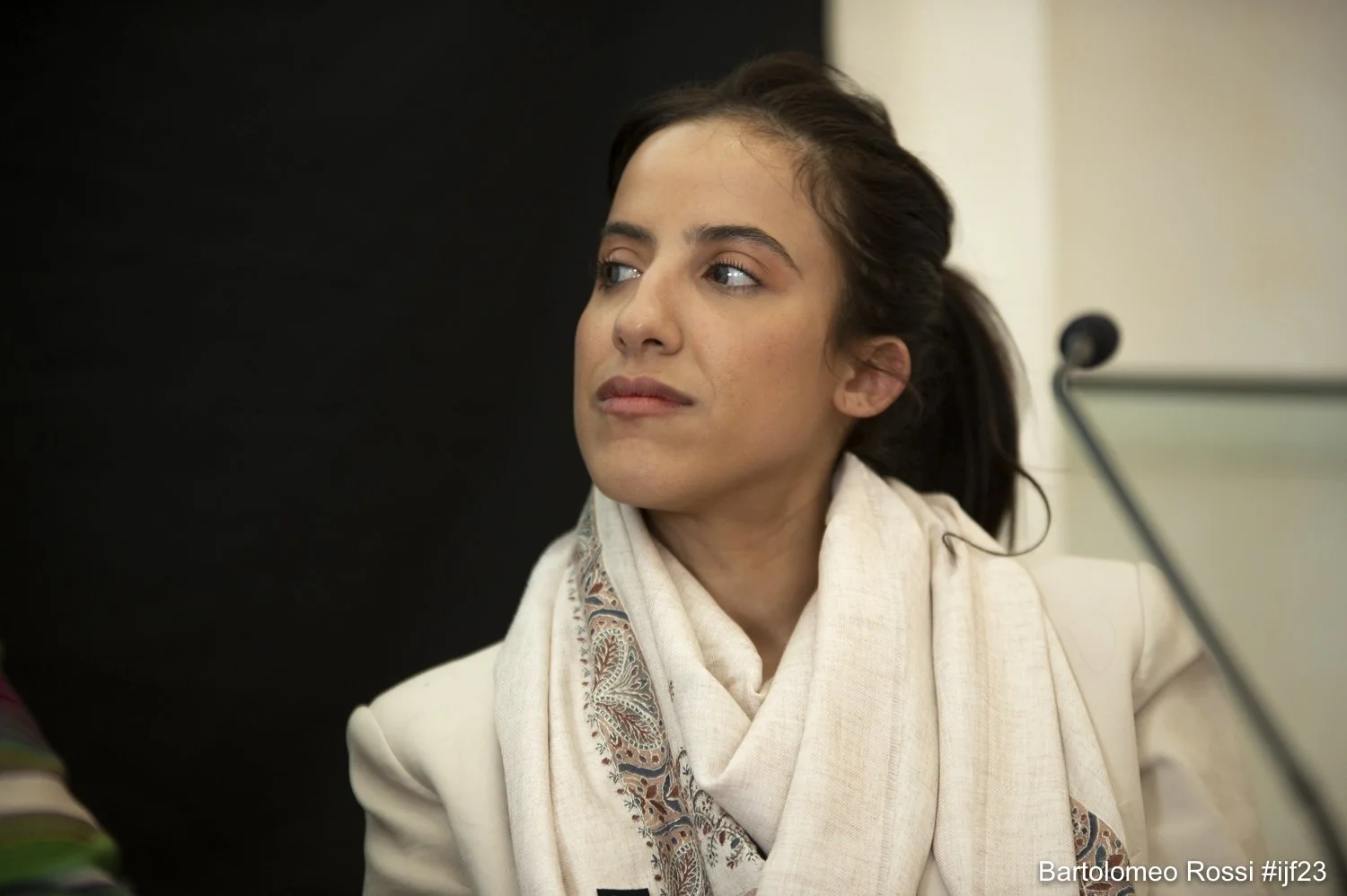
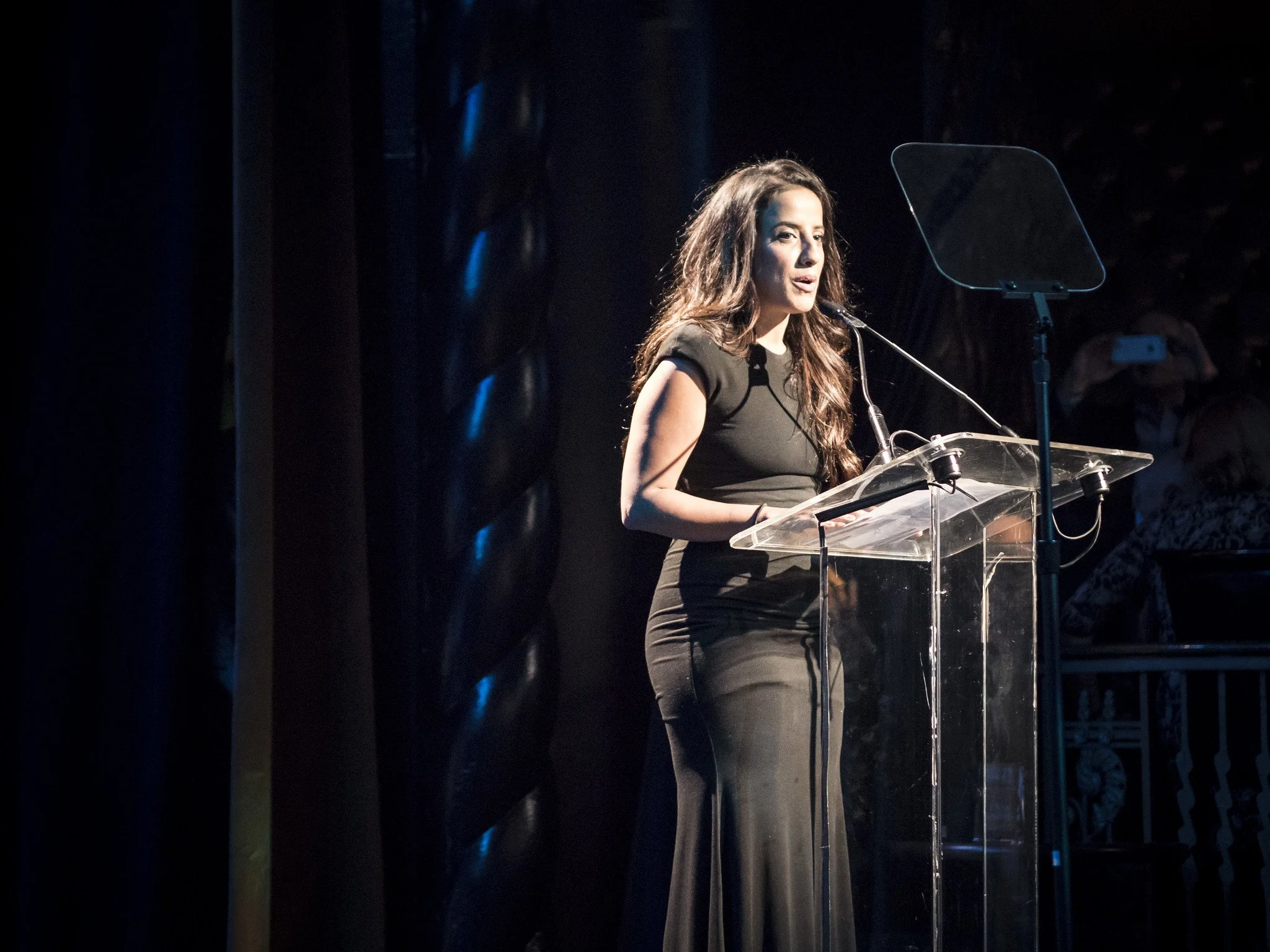

Strategic Advisory & Field-Ready Operations
I work with leaders and teams to strengthen trust, decision-making, and day-to-day execution.
That includes operational protocols, netwrok mapping, relationship and trust building with communities and partners, ethical guidelines, and the internal capacity needed to translate mission into practice, including safer adoption of technology.
PUBLIC-FACING WORK & ENGAGEMENTS
I help institutions, newsrooms, and public audiences make sense of fast-moving system shifts—especially where technology, power, and real-world consequences collide. My work turns complexity into usable clarity: what’s changing, what’s at risk, and what practical choices leaders, practitioners, and communities can make next.
How I show up:
I produce public resources and deliver talks, briefings, and expert analysis that translate complex systems into usable insight—for institutions, media, and wider public audiences. The focus is practical literacy: what’s changing, what’s at risk, and what to do next.
Writing & briefings: op-eds and essays, white papers, strategy memos, executive briefings, expert commentary
Teaching & learning: guest lectures, classroom sessions, workshops, and practitioner-facing trainings for universities and professional programs
Events: keynotes, conference talks, panels, moderated conversations, closed-door roundtables
Media & press: interviews, documentaries, background briefings, and technical/regional analysis—grounded in deep experience across the Middle East and North Africa, and other regional contexts, particularly where tech intersects with crisis and current events.
What audiences come to me for:
Clear, evidence-based analysis of harmful vs. ethical tech and how impact shows up on the ground
The operational realities of information ecosystems: credibility, manipulation, visibility, and risk
Governance, accountability, and investigative practice in high-pressure environments
Regionally informed perspective on MENA dynamics—without flattening complexity or exporting simplistic frames
A rare intersection of technical depth and field practice: I work with communities and practitioners directly, not just at the policy layer
Credible translation across worlds—connecting community realities to institutional decision-making, and turning expert language into clear public communication
Political analysis grounded in operational reality—how power actually moves, where institutions are constrained, and what that means for policy, media, civic space, and accountability in practice (especially across MENA and adjacent geopolitical dynamics).
I work with leaders, institutions, practitioners, experts, communities, and independent thinkers who need grounded judgment, practical strategy, better and more globally relevant standards and practice, and and decisions that hold up under real-world pressure.
I design connective infrastructure across institutional, informational, and technological systems. My work strengthens accountability environments, integrates emerging technology responsibly, and builds communities of practice that circulate expertise beyond institutional silos. The result is durable capability that survives leadership change and prepares systems for long-term pressure.
**Engagements are tailored, time-bound, and designed to move from intent to durable results.
**Bilingual: Arabic, and English
THE ECOSYSTEMS I INTEGRATE
No institution or practitioner operates alone. I work at the intersection of information, technology, and governance—the precise points where legacy systems are currently failing, and where systemic failures are most frequent dangerous.
I help current and next-generation inheritors, practitioners, and builders navigate this transition by replacing collapsing legacy structures with integrated, future-ready models. I build systems that are technically proficient, culturally grounded, and rights-centric—equipping a new generation with the strategies, ethical frameworks, workflows, new and emerging technologies and practice, and operational integrity required to lead, build, and advance society.

Information & Media
Governance, Justice & Accountability
TechNOLOGY & Security Infrastructure
The path forward isn't about repair—it’s about readiness.
Explore the solutions and services designed to help you survive the shift and prepare the next generation.
SPEAKING THEMES
• Systems in transition
• Culture as evidence of power
• Governance in the age of AI
• Identity as infrastructure
• Building inheritors, not followers
• Public literacy as survival skill
• Institutional redesign
TRAINING CIRRICULAS
• HERO new cirricula (add title)
VAE
Etc
SPREADABLE LEARNING
RAJA ALTHAIBANI
TURN INTO CIRCLES , design elements across page, linear one line (or just have :
Former senior leader at WITNESS (Video for Justice)
Built global crisis-response + digital evidence practice across high-risk contexts
Published in TIME, The New Yorker, Foreign Policy (and others)
Contributed to the Berkeley Protocol on Digital Open Source Investigations (UN OHCHR / UC Berkeley)
“Trained thousands of investigators/journalists/defenders globally.
ADD SCROLLNG LOGOS OF ENTITIES IVE WORKED WITH
HOW I WORK
I work at points of rupture, when inherited models stop holding and decisions must be made under constraint. Each engagement is diagnostic and buildable. I map:
Where judgment is breaking down
Where coordination protects hierarchy over function
Where practice has drifted from reality
Where accountability is being outsourced
Then I install minimum-viable structures that teams can carry forward: safeguards, decision frameworks, operational standards, and connective tissue across silos. The aim is not a report, but to provide usable infrastructure.
Some engagements operate in high-risk or politically sensitive environments where public documentation would compromise partners or outcomes. References and selected work samples are available privately upon request.
Dedication
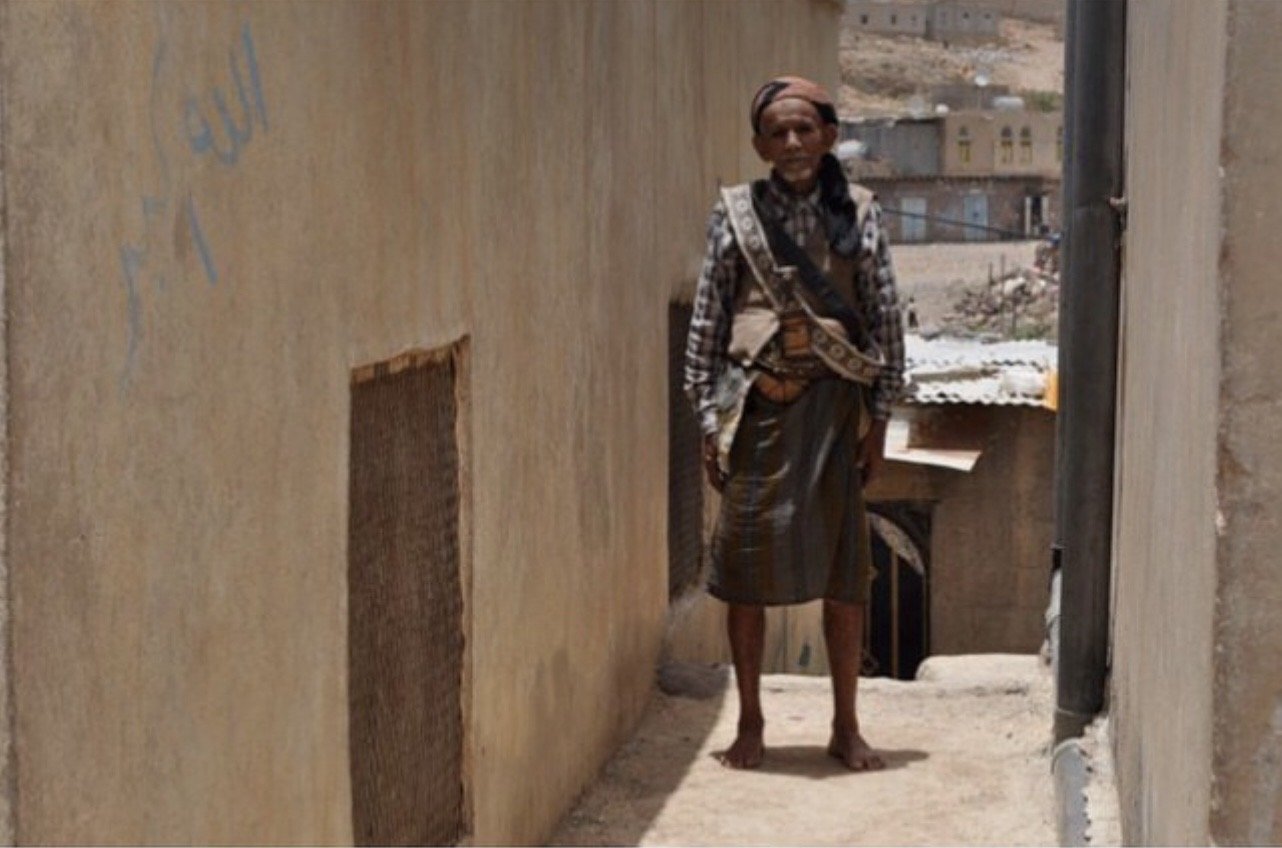
This work is dedicated to the men and women who carried responsibility before us, often without recognition, formal power, or written record, so others could inherit, build, and endure.
In particular, it honors my grandfather, Al-Thaly, an elder in my family lineage and a tribal mediator in Yemen. Though illiterate, he spent decades preventing conflict between tribes and community members, upholding integrity, restraint, and accountability in contexts where state systems often failed to maintain peace or cohesion.
When formal structures fractured, responsibility did not disappear. It moved to those willing to carry it.
That lineage shapes how I understand authority today. True authority does not rest in title alone. It rests in judgment, credibility, and stewardship under pressure.
The most durable systems are not the ones that appear strongest. They are the ones sustained by people capable of responsibility when it matters.
This work carries that legacy forward: honoring those who practiced responsibility without reward, and preparing those who will inherit strained systems to do the same.